PUTRAJAYA, 31 March — Malaysia today takes a major step in shaping its digital economy as the Gig Workers Act 2025 (Act 872) comes into effect, strengthening governance and welfare protections for workers in the gig sector. The Minister of Human Resources said the new legislation reflects the government’s commitment to building a future workforce ecosystem that is fairer, more inclusive, and resilient, in line with the rapid growth of the digital economy, said in a statement. The Act is expected to benefit over 1.64 million gig workers by providing a comprehensive legal framework. Key areas of focus include transparency in service agreements, payment certainty, protection against discrimination, and access to structured dispute resolution mechanisms. Social security coverage through PERKESO as well as occupational safety and health protections are also strengthened, without compromising the flexibility that underpins the gig employment model. Malaysia now holds a strategic position as one of the first countries in the region to introduce dedicated legislation for the gig sector, potentially serving as a model for regional and global policy development. Under the Act, the definition of gig workers is inclusive, covering individuals providing services both via digital platforms and independently, spanning creative, professional, and freelance sectors. To reinforce governance, the Gig Consultation Council (MPGiG) has been established as a tripartite advisory body representing the government, gig workers, and contracting entities. The council will advise the government on minimum income levels and industry standards based on data and current market needs. A total of 26 members have been appointed to MPGiG, effective 1 April 2026, with the first meeting scheduled for 3 April 2026. Discussions will focus on gig workers’ income levels as a key early implementation agenda. Meanwhile, the Malaysian Gig Economy Commission (SEGiM) will act as a central coordinating body to ensure policies, industry monitoring, and ecosystem development are implemented in a structured and effective manner. The Act also introduces a more systematic complaints management system through the eAduan platform under the Ministry of Human Resources, allowing gig workers to file complaints related to payments, account suspension, or breaches of agreements, with a resolution target of within 21 working days, depending on the case complexity. Enforcement will be carried out collaboratively by agencies including the Department of Labour, Department of Occupational Safety and Health, and PERKESO, with strict action against parties failing to comply with legal provisions. This initiative demonstrates the government’s balanced approach to fostering digital economy growth while prioritizing workers’ welfare. More information on the Gig Workers Act 2025 is available on the Ministry of Human Resources official website at https://www.mohr.gov.my/aktapekerjagig2025/.

Gig Workers Act 2025 Comes Into Force, Strengthening Protection for 1.64 Million Workers

PUTRAJAYA, 31 March — Malaysia today takes a major step in shaping its gig economy as the Gig Workers Act 2025 (Act 872) comes into effect, strengthening governance and welfare protections for workers in the gig sector.

The Minister of Human Resources said the new legislation reflects the government’s commitment to building a future workforce ecosystem that is fairer, more inclusive, and resilient, in line with the rapid growth of the gig economy, said in a statement.

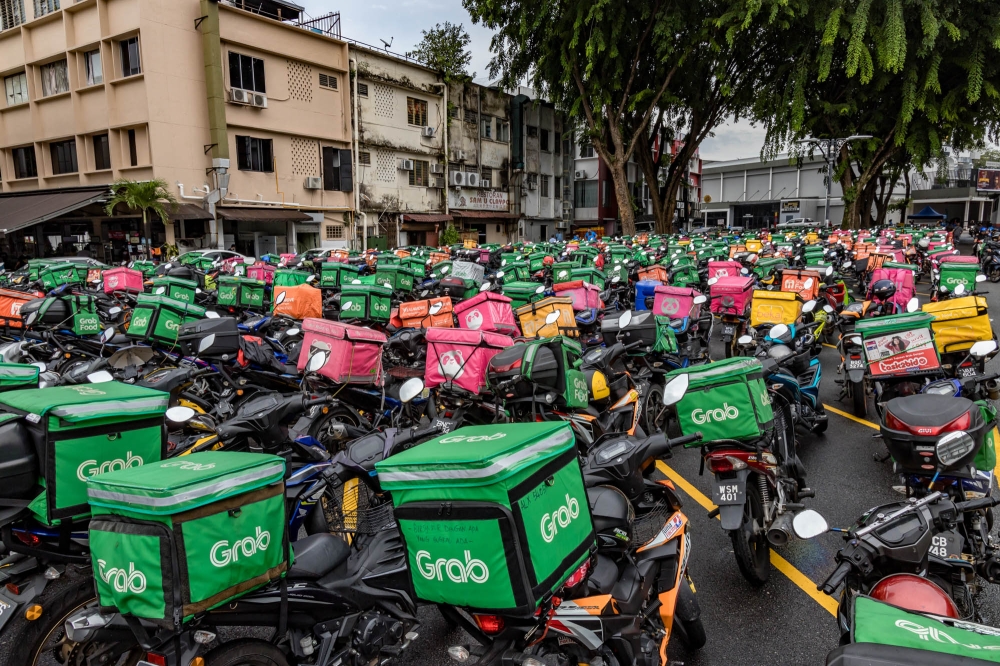
The Act is expected to benefit over 1.64 million gig workers by providing a comprehensive legal framework.

Key areas of focus include transparency in service agreements, payment certainty, protection against discrimination, and access to structured dispute resolution mechanisms.

Social security coverage through PERKESO as well as occupational safety and health protections are also strengthened, without compromising the flexibility that underpins the gig employment model.

Malaysia now holds a strategic position as one of the first countries in the region to introduce dedicated legislation for the gig sector, potentially serving as a model for regional and global policy development.

Under the Act, the definition of gig workers is inclusive, covering individuals providing services both via digital platforms and independently, spanning creative, professional, and freelance sectors.

To reinforce governance, the Gig Consultation Council (MPGiG) has been established as a tripartite advisory body representing the government, gig workers, and contracting entities.

The council will advise the government on minimum income levels and industry standards based on data and current market needs.

A total of 26 members have been appointed to MPGiG, effective 1 April 2026, with the first meeting scheduled for 3 April 2026. Discussions will focus on gig workers’ income levels as a key early implementation agenda.

Meanwhile, the Malaysian Gig Economy Commission (SEGiM) will act as a central coordinating body to ensure policies, industry monitoring, and ecosystem development are implemented in a structured and effective manner.

The Act also introduces a more systematic complaints management system through the eAduan platform under the Ministry of Human Resources, allowing gig workers to file complaints related to payments, account suspension, or breaches of agreements, with a resolution target of within 21 working days, depending on the case complexity.

Enforcement will be carried out collaboratively by agencies including the Department of Labour, Department of Occupational Safety and Health, and PERKESO, with strict action against parties failing to comply with legal provisions.

This initiative demonstrates the government’s balanced approach to fostering digital economy growth while prioritizing workers’ welfare. More information on the Gig Workers Act 2025 is available on the Ministry of Human Resources official website at https://www.mohr.gov.my/aktapekerjagig2025/.

–Minutes MY / Igneseous Noris

Related News