KUALA LUMPUR: Oil prices fell below US$100 per barrel after the United States (US) and Iran agreed to a two-week ceasefire plan in exchange for Tehran allowing safe passage for ships through the Strait of Hormuz. So far, Brent crude oil has fallen 13.20 percent to US$94.85 while West Texas Intermediate has fallen 14.58 percent to US$96.48 per barrel. SPI Asset Management Managing Partner Stephen Innes told Bernama: “What we are seeing now is not a structural change but more of a mechanical reduction in the geopolitical risk premium that has been factored in based on a worst-case scenario. "In the near term, oil prices could remain below US$100 but the minimum level is unstable. Without a concrete easing of tensions over the Strait of Hormuz, the risk of another price spike is very high," he said. Innes said the two-week ceasefire plan provided a fresh start. He said the situation gave the market room to reassess the situation but did not resolve the main issue as the lack of real progress in reopening the strait could cause prices to rise again. He said supply-side risks remained due to infrastructure damage which could take several months to repair. At the same time, he said the clear indication is that keeping the strait open to ship movement will greatly help lower prices. In that scenario, he said a return to the US$90 per barrel level would be appropriate if tensions eased and gained momentum. He said a more optimistic outcome depended on continued diplomatic coordination, although this remained uncertain. Meanwhile, he said the market had not fully factored in the expectation that the strait would remain open. Innes said political considerations related to the US midterm elections could curb a prolonged conflict, especially given its position as the world's largest oil producer. Bank Muamalat Malaysia Bhd Chief Economist Mohd Afzanizam Abdul Rashid told Bernama that a two-week ceasefire would allow ships to pass through the Strait of Hormuz, where 20 percent of global oil supply depends. He said the continued easing of tensions, if achieved, would pave the way for the reconstruction of oil and gas facilities which would help ease supply constraints. "Recovery will happen in stages. What the market wants is certainty that the conflict will end and business can continue." "However, it is still too early. The current situation is very uncertain. Therefore, the expectation is that crude oil prices will remain unstable in the near future," he said.

Oil prices fall below US$100 per barrel driven by ceasefire talks

KUALA LUMPUR: Oil prices fell below US$100 per barrel after the United States (US) and Iran agreed to a two-week ceasefire plan in exchange for Tehran allowing safe passage for ships through the Strait of Hormuz.

So far, Brent crude oil has fallen 13.20 percent to US$94.85 while West Texas Intermediate has fallen 14.58 percent to US$96.48 per barrel.

SPI Asset Management Managing Partner Stephen Innes told Bernama: “What we are seeing now is not a structural change but more of a mechanical reduction in the geopolitical risk premium that has been factored in based on a worst-case scenario.

“In the near term, oil prices could remain below US$100 but the minimum level is unstable. Without a concrete easing of tensions over the Strait of Hormuz, the risk of another price spike is very high,” he said.

Innes said the two-week ceasefire plan provided a fresh start.

He said the situation gave the market room to reassess the situation but did not resolve the main issue as the lack of real progress in reopening the strait could cause prices to rise again.

He said supply-side risks remained due to infrastructure damage which could take several months to repair.

At the same time, he said the clear indication is that keeping the strait open to ship movement will greatly help lower prices.

In that scenario, he said a return to the US$90 per barrel level would be appropriate if tensions eased and gained momentum.

He said a more optimistic outcome depended on continued diplomatic coordination, although this remained uncertain.

Meanwhile, he said the market had not fully factored in the expectation that the strait would remain open.

Innes said political considerations related to the US midterm elections could curb a prolonged conflict, especially given its position as the world’s largest oil producer.

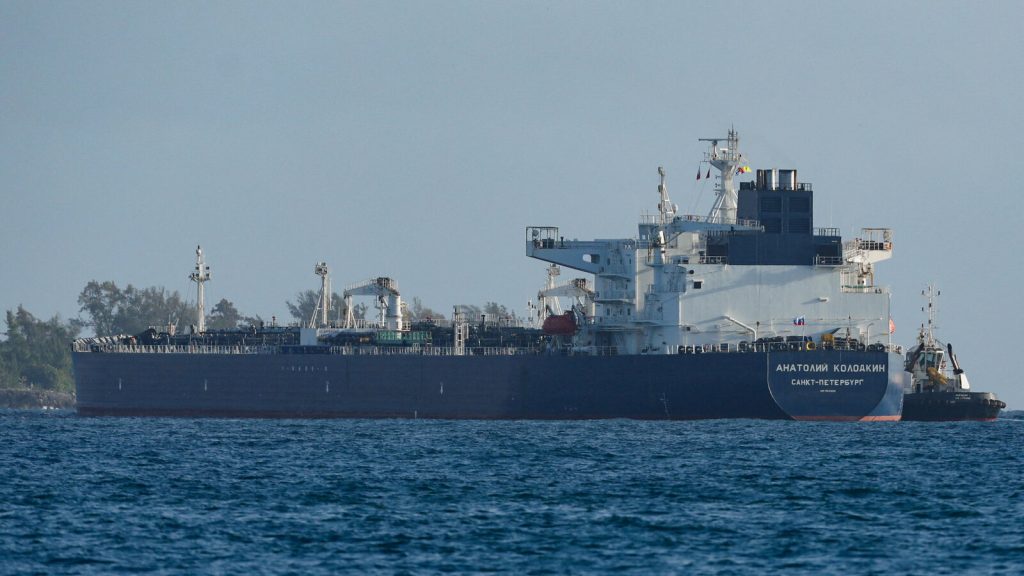
Bank Muamalat Malaysia Bhd Chief Economist Mohd Afzanizam Abdul Rashid told Bernama that a two-week ceasefire would allow ships to pass through the Strait of Hormuz, where 20 percent of global oil supply depends.

He said the continued easing of tensions, if achieved, would pave the way for the reconstruction of oil and gas facilities which would help ease supply constraints.

“Recovery will happen in stages. What the market wants is certainty that the conflict will end and business can continue.”

“However, it is still too early. The current situation is very uncertain. Therefore, the expectation is that crude oil prices will remain unstable in the near future,” he said.

— BERNAMA

Related News