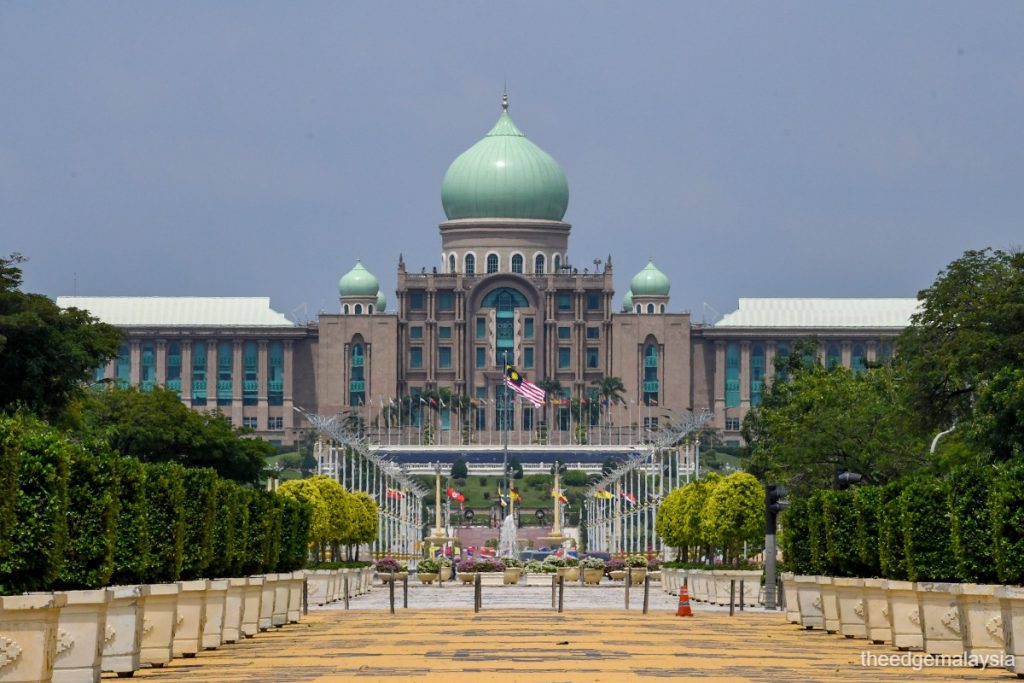
PUTRAJAYA, May 14 — The Ministry of Human Resources (KESUMA) will work with the Ministry of Education (MOE) strengthen the development of Malaysia’s future talent, in line with a World Bank report, which underscores productivity and talent development as core aspects of the employment agenda.
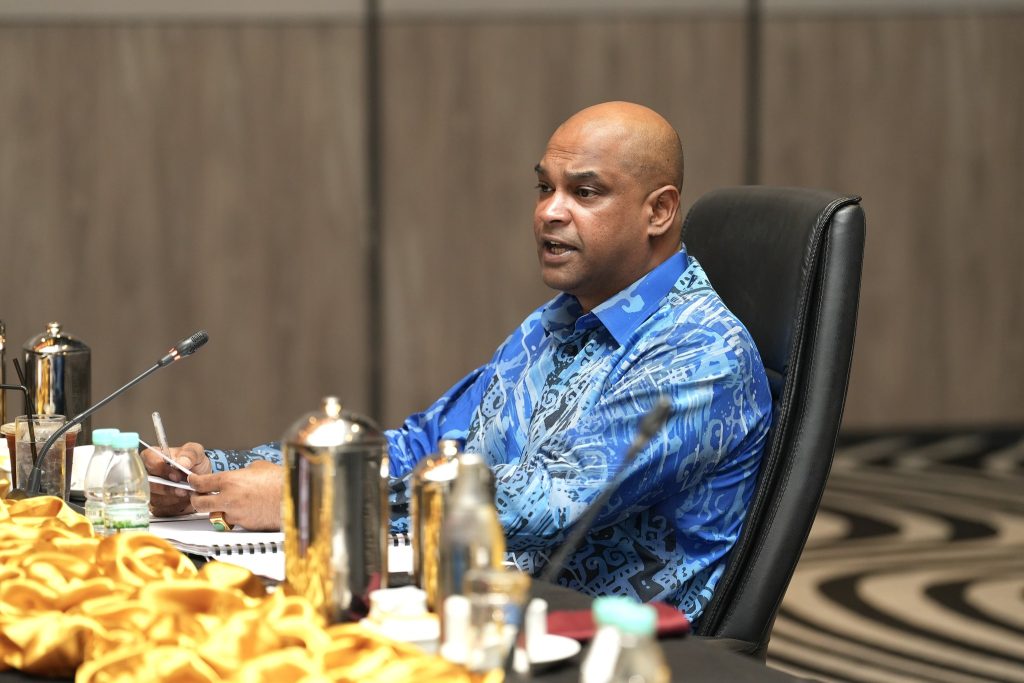
Human Resources Minister Datuk Seri R. Ramanan said the collaboration would include early exposure for school students to future career pathways in Technical and Vocational Education and Training (TVET), Science, Technology, Engineering and Mathematics (STEM), digital technology, artificial intelligence (AI) and other high-skilled sectors.
In a statement today, he said the early exposure initiative is aimed at ensuring students are better equipped to make informed decisions on their education and career pathways before entering the job market.
“KESUMA will continue to expand cross-ministerial collaboration, together with its agencies and strategic industry partners, to ensure that skills development, training and talent interventions are implemented in a more focused, responsive and results-oriented manner.
“This includes efforts to improve job matching through MyFutureJobs, strengthen the marketability of local talent and assist more Malaysians in accessing high-value and better-paid jobs,” he said.
Ramanan said KESUMA had taken note of the findings of the World Bank’s Malaysia Economic Monitor April 2026 report titled “Raising the Ceiling, Raising the Floor: The Jobs Agenda as a Productivity Agenda”, which was launched today.
He said the report emphasised that the country’s employment agenda should be anchored in productivity, talent development and quality job creation, to ensure Malaysia continues moving towards a high-income economy.
“The report underlines that Malaysia’s main challenge today is no longer just creating jobs, but ensuring that the jobs created are well-matched with skills, productivity and are capable of raising people’s incomes.
“The report also highlights that investments in AI, digitalisation and high-value sectors must be supported by a skills ecosystem that is more responsive to industry demand, including TVET, lifelong learning and the strategic use of labour market information,” he said.
Ramanan said the findings of the report are in line with KESUMA’s commitment to ensuring that the country’s employment agenda moves towards quality job creation driven by skills, productivity and improved labour market matching.
“The World Bank report recognises that talent development, AI readiness and the use of accurate labour market information play an important role in ensuring that Malaysia is able to build a more competitive workforce and is prepared to face economic and technological changes.
“In line with the 13th Malaysia Plan, KESUMA, through TalentCorp, continues to strengthen the MyMahir ecosystem, including the Future Skills Talent Council (FSTC), the use of Critical Occupations List (MyCOL) data, and the implementation of the AI Readiness Index (AIRI), to ensure the country’s skills development is more aligned with current and future industry needs,” he said.
The World Bank report also acknowledges the importance of initiatives such as MyMahir FSTC, the MyMahir platform and the use of labour market information such as MyCOL, in helping Malaysia build a more responsive and industry-driven skills ecosystem.
Meanwhile, KESUMA said in the same statement that its departments and agencies would continue to play an important role in strengthening labour standards, occupational safety and health, industrial relations, TVET and the development of the country’s technical talent.
“This includes certification, labour market initiatives, job placement, salary improvements, social protection and support for workers affected by technological change and structural economic uncertainty, thereby reducing skills mismatches and empowering Malaysians for high-productivity jobs.
“In line with the spirit of Pekerja MADANI Kesuma Bangsa, KESUMA is committed to ensuring that the country’s economic growth and rising productivity translate into better jobs, more meaningful wages and fairer future opportunities for all Malaysians,” the statement said.
–BERNAMA