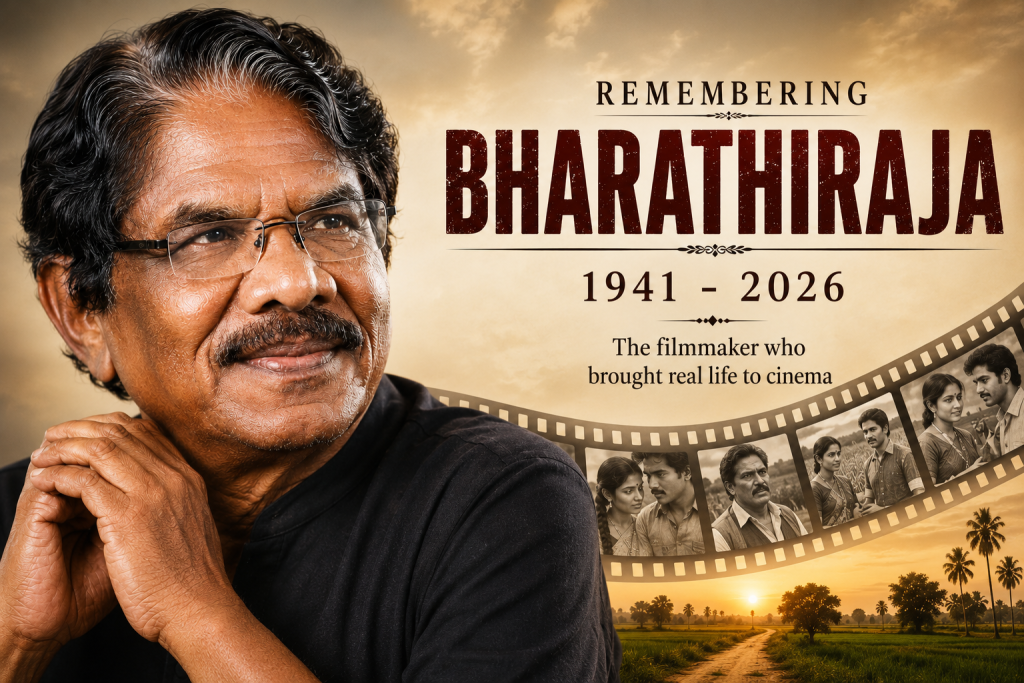
The passing of Bharathiraja marks the end of one of the most transformative chapters in Indian cinema. More than a director, he was a storyteller who changed the language of Tamil filmmaking and redefined how ordinary people, especially those from rural India, were portrayed on screen. His death at the age of 84 leaves behind a legacy that will continue to inspire generations of filmmakers and film lovers alike.
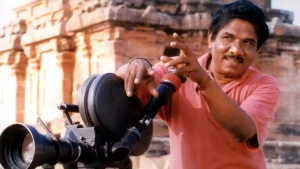 Before Bharathiraja arrived in the late 1970s, Tamil cinema was largely dominated by studio sets, urban narratives and theatrical storytelling. Then came 16 Vayathinile in 1977, a film that broke conventions and introduced audiences to the raw beauty of village life. With dusty roads, green fields and characters who spoke the language of ordinary people, Bharathiraja brought realism to Tamil cinema in a way that had rarely been seen before. Many critics regard the film as a turning point that changed the course of South Indian filmmaking.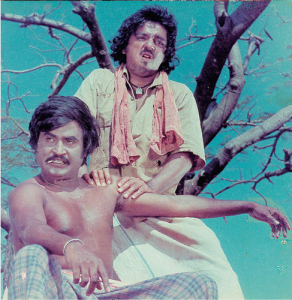
What made Bharathiraja extraordinary was not merely his ability to tell stories but his commitment to telling stories that mattered. Through films such as Muthal Mariyathai, Vedham Pudhithu, Karuthamma and Kizhakku Cheemayile, he explored themes of caste discrimination, social inequality, female infanticide, love, honour and human dignity. At a time when commercial cinema often shied away from uncomfortable truths, Bharathiraja confronted them with courage and conviction.
His influence extended far beyond the stories he told. Bharathiraja became a launching pad for countless talents who would later dominate Indian cinema. Actors, writers, technicians and musicians found opportunities under his guidance. His keen eye for talent helped shape the careers of many artists who went on to become household names. He was affectionately known as “Iyakkunar Imayam” — the “Peak of Directors” — a title earned through decades of artistic excellence rather than mere popularity.
Despite achieving immense success, Bharathiraja never lost touch with his roots. His films consistently celebrated the culture, traditions and emotional complexities of rural Tamil Nadu. He gave a voice to communities that were often overlooked by mainstream cinema and ensured that their stories became part of the larger cultural conversation. In doing so, he preserved a slice of Tamil heritage for future generations.
His achievements were recognised nationally and internationally. Over a career spanning nearly five decades, he won six National Film Awards and numerous other honours, including the Padma Shri, one of India’s highest civilian awards. Yet his greatest achievement cannot be measured by trophies or accolades. It lies in the emotional connection millions of viewers felt with the worlds he created.
In recent years, Bharathiraja faced declining health and personal tragedy, including the heartbreaking loss of his son, actor-director Manoj Bharathiraja. Yet even as age slowed him physically, his influence on Indian cinema remained undiminished. 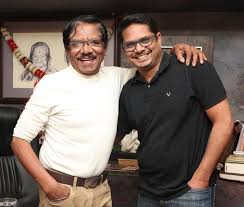
Today, as tributes pour in from across the film industry, Tamil cinema mourns not just the loss of a filmmaker but the loss of a visionary who changed the way stories were told. Bharathiraja showed that cinema could be both artistic and accessible, entertaining and socially relevant. He proved that the most powerful stories often emerge from the lives of ordinary people.
The lights may have dimmed on the life of Bharathiraja, but the worlds he created will continue to live on. Every time a filmmaker ventures beyond the city to tell a story rooted in the soil, every time a film challenges social injustice through human emotion, and every time audiences connect with the authenticity of rural life on screen, Bharathiraja’s spirit endures.
Legends do not disappear when they die. They become part of a culture’s collective memory. Bharathiraja is now one such legend.
— MINUTESMY / SUGAN BALAN