Category :

Island Tourism Sector In Sabah Needs Diesel, Petrol Subsidie

SEMPORNA, May 8 2026– The Sabah Ministry of Tourism, Culture and Environment (KePKAS) is seeking diesel and petrol subsidy assistance for the state’s tourism sector, particularly operators in island areas. .... read more

Lim Guan Eng Proposes RM5 Billion Interest-Free Loans, Moratorium For MSMEs

KUALA LUMPUR, May 8 — Bagan MP Lim Guan Eng has urged the government and banking sector to introduce a RM5 billion interest-free loan scheme and a one-year loan moratorium .... read more
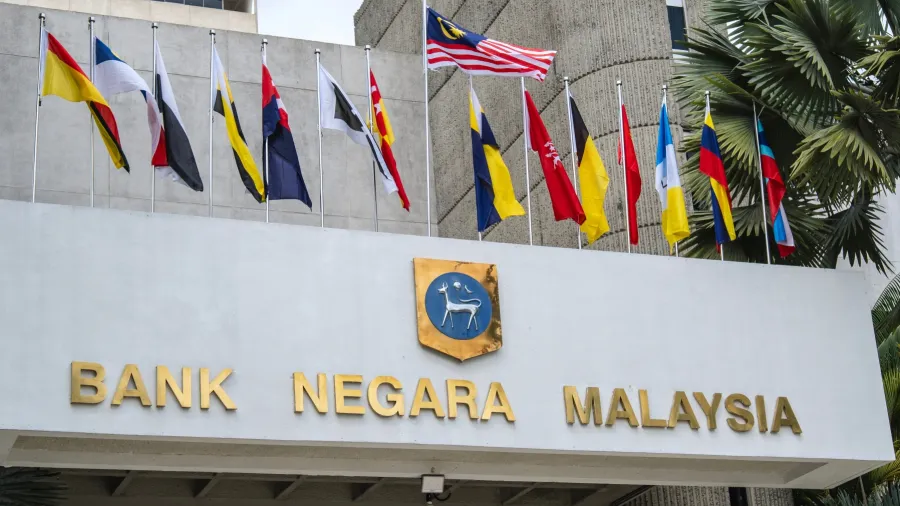
\According to HSBC Global Investment Research, BNM made a small but significant change in its statement when it clarified its monetary policy stance as “consistent” with the current outlook, from “supportive”. However, the HSBC branch still believes that BNM is likely to maintain the rate for the remainder of this year. HSBC Senior ASEAN Economist Yun Liu said BNM also changed its language on inflation by expecting inflation to "increase slightly" from "remaining moderate", reflecting concerns over domestic cost pressures stemming from high global commodity prices. "Malaysia is in a more resilient position compared to other regional countries because Malaysia is a net exporter of energy. This does not mean that Malaysia will be protected from energy shocks, however, the impact is expected to be smaller compared to other Asian economies," he said in a research note. According to RHB Investment Bank Bhd, monetary policy will continue to be data-driven, guided in particular by growth prospects and inflation trends, while strong economic fundamentals and continued subdued inflation support a broadly stable policy stance. The investment bank maintained its 2026 Gross Domestic Product (GDP) growth forecast at 4.7 percent, but expected a continued rise in oil prices to US$140 per barrel could reduce Malaysia's growth prospects by between 0.5 and one percentage point. Meanwhile, CIMB Treasury and Market Research is of the view that BNM's latest statement contains a clearer acknowledgement that rising energy prices and supply chain disruptions due to conflicts in West Asia have begun to affect global growth momentum. According to him, the central bank continues to view current inflationary pressures as largely supply-driven and temporary, thus reinforcing expectations for the OPR to be maintained for a longer period than the initial tightening. CIMB also explained that Malaysia's direct trade exposure to Gulf Cooperation Council countries, Iran and Iraq remains moderate at around 1.5 to 2.0 percent of total exports. This suggests the overall impact is expected to occur through commodity prices and global demand flows rather than direct trade disruptions, he added. MBSB Investment Bank Bhd also maintained its expectation that the OPR would remain set at that rate this year, supported by resilient domestic growth, positive labour market conditions, continued investment activity and continued demand for electrical and electronics exports. The investment bank warned, however, that prolonged geopolitical conflict could cause global energy prices to remain high and could lead to an inflation outlook "high for an extended period" for the rest of the year. "Therefore, government policy measures, particularly fuel subsidies and targeted interventions, will be important in curbing the possibility of increasing inflationary pressures," he added. BNM's Monetary Policy Committee (MPC) meeting on Thursday decided to maintain the OPR at 2.75 percent. The rate has not changed since a 25 basis point cut in July 2025. In a statement yesterday, the central bank explained that at the current OPR level, the MPC believes the monetary policy stance is appropriate and consistent with the prospects of continued price stability and sustainable economic growth.

BNM expected to maintain OPR at current level throughout the remainder of 2026

KUALA LUMPUR: The decision on the Overnight Policy Rate (OPR) being maintained at the current level of 2.75 percent on Thursday reinforced expectations that Bank Negara Malaysia (BNM) may keep .... read more
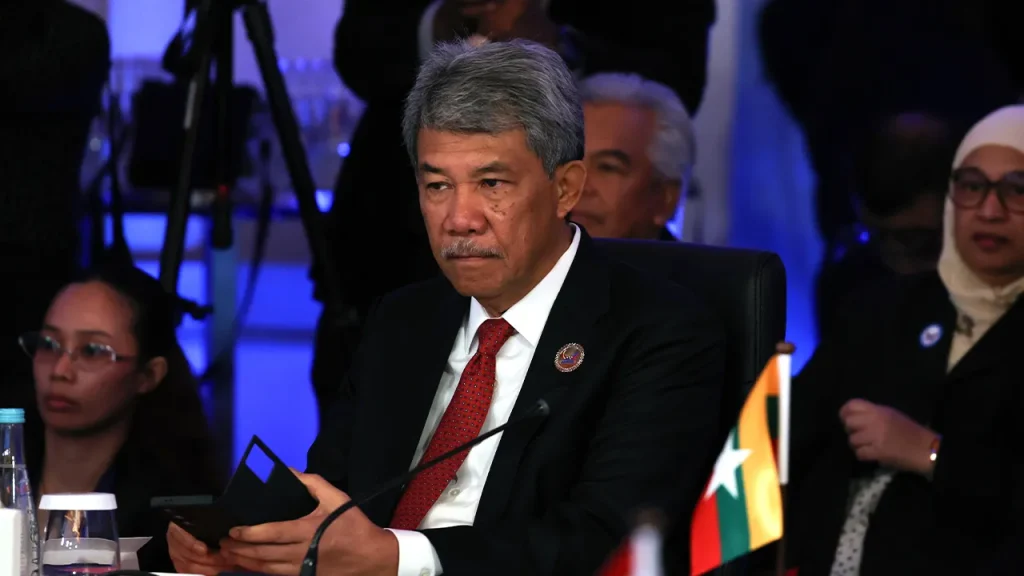
CEBU: ASEAN is committed to strengthening intra-regional trade, including increasing trade between member countries to at least 30 percent by 2030. Foreign Minister Datuk Seri Mohamad Hasan said ASEAN member states need to move as a more organised and united bloc to address the impact of global conflicts, including disruptions to regional trade, economy and security, especially during conflicts in West Asia. He said ASEAN needs to emphasize efforts to streamline free trade agreements (FTAs) and facilitate the movement of goods among member countries to strengthen intra-ASEAN trade. "Intra-ASEAN trade has not yet reached 25 percent. We want trade between ASEAN countries to reach at least 30 percent by 2030." "We are looking at the current status, the obstacles and the steps that need to be taken. Therefore, we want the memorandum of understanding (MoU), ASEAN FTA and the movement of goods to be streamlined." "If possible, trade between ASEAN countries should also not be subject to tariffs," he told Malaysian media on Thursday. Mohamad said the conflict in West Asia was an important lesson to ASEAN that cooperation and understanding among member countries was essential to face regional and global challenges. "Each has its strengths and advantages. We need to find a formula for how we can strengthen cooperation and help each other," he said. Regarding the ASEAN Foreign and Economic Ministers' Joint Meeting held on Thursday, Mohamad said it was an initiative initiated under the Malaysian chairmanship to ensure coordination between the political-security and economic pillars. He said that ASEAN's development had previously been largely based on political and security aspects, but the focus had now shifted to strengthening the economy and more comprehensive regional cooperation. He said that a joint meeting involving ASEAN Foreign Ministers and Economic Ministers was held to ensure that every decision could be coordinated across all ASEAN pillars, including economic, social and cultural.

ASEAN targets 30 percent intra-regional trade by 2030 – Mohamad

CEBU: ASEAN is committed to strengthening intra-regional trade, including increasing trade between member countries to at least 30 percent by 2030. Foreign Minister Datuk Seri Mohamad Hasan said ASEAN member .... read more

KUALA LUMPUR -- The ringgit continued yesterday's momentum as it opened higher on Thursday amid expectations that the local currency has the potential to continue to rise today. Market consensus is that Bank Negara Malaysia (BNM) is expected to maintain the Overnight Policy Rate (OPR) at 2.75 percent. At 8am, the local currency was trading at 3.905/9300 against the US dollar from 3.9230/9275 at the close on Wednesday. BNM will hold its third Monetary Policy Committee meeting today, with market players expecting the OPR to remain unchanged at 2.75 percent pending an updated assessment of Malaysia's inflation and growth prospects. Bank Muamalat Malaysia Bhd Chief Economist Mohd Afzanizam Abdul Rashid said the ringgit's performance was also driven by increased risk appetite after the United States (US) and Iran were expected to be ready to reach an agreement and reopen the Strait of Hormuz. "Risk appetite increased significantly with the S&P 500 and Nasdaq jumping 1.46 percent and 2.02 percent respectively in a day to close at 7,365.12 points and 25,838.94. "US Treasury yields for two-year and 10-year terms declined by eight basis points to 3.87 per cent and 4.35 per cent respectively," he told Bernama . The US Dollar Index (DXY) decreased 0.43 percent to 98.023 points. Mohd Afzanizam said in this regard, the ringgit has the potential to continue strengthening today with BNM expected to maintain the OPR at 2.75 percent. "The US dollar-ringgit pair today is expected to move towards the RM3.90 level," he said. At the opening of trading, the ringgit traded higher against a basket of major currencies. The local unit strengthened against the euro to 4.6058/6170 from 4.6189/6242 at Wednesday's close, rose against the British pound to 5.3280/3409 from 5.3443/350 and rose against the Japanese yen to 2.5046/5109 from 2.5159/5191 yesterday. Local currencies are also mostly high compared to regional currencies. The local unit rose against the Singapore dollar to 3.0909/0986 from 3.0946/0986 at Wednesday's close and strengthened against the Thai baht to 12.1536/1898 from 12.1866/2074. The ringgit traded little changed against the Indonesian rupiah to 225.4/226.1 from 225.6/225.9 previously, and remained unchanged against the Philippine peso at 6.39/6.41.

Ringgit opens higher, expected to continue rising if OPR remains at 2.75 percent

KUALA LUMPUR — The ringgit continued yesterday’s momentum as it opened higher on Thursday amid expectations that the local currency has the potential to continue to rise today. Market consensus .... read more

KUALA LUMPUR: AirAsia Bhd has announced that its order for 150 Airbus A220 aircraft will cost around US$19 billion, according to its advisor Tan Sri Tony Fernandes. Fernandes, who is also the CEO of Capital A, expects the first delivery of the aircraft to arrive no later than the first quarter of 2028. He said the Airbus A220 would open up new market potential and routes, bringing them closer to building the world's first low-cost airline network. "So, with this 160-seat aircraft, it allows us to increase our profit margin by around two to three percentage points, in addition to building a much wider network. "This aircraft can also fly for up to seven hours and in Asia, it has a very high value for us," he told reporters after the signing ceremony of the Airbus A220 order agreement which was broadcast live from Mirabel, Quebec, Canada. Earlier in his speech, Fernandes also expressed interest in possibly purchasing another 150 aircraft if the aircraft manufacturer builds a longer version, known as the Airbus A220-500, which can accommodate around 185 seats. "This is a US$19 billion deal, which could go up to US$38 billion if we could have the longer version," he said. When asked why he needed a longer version of the A220 programme, Fernandes said the existing A320 aircraft were now nearing the end of their service life and the 180-seat aircraft would be a perfect replacement. "People may wonder why we are buying so many planes during this latest crisis, but the crisis is an opportunity to make bold decisions. "We have built AirAsia by making bold decisions at the right time, not the easiest. This order reflects our long-term discipline and the scale of our ambition," he said of the multi-billion dollar deal. "Our partnership with Airbus has spanned more than two decades and has been the backbone of all our achievements. Today marks another milestone in that journey and many more to come in the future," he said. Earlier, Lars Wagner, who is also the Chief Executive Officer of Airbus Commercial Aircraft Business, confirmed the historic agreement, which saw the A220 model surpass 1,100 orders. Also present at the event was Canadian Prime Minister Mark Carney. -- BERNAMA

Airbus A220 aircraft order deal will cost US$19 billion, says Fernandes

KUALA LUMPUR: AirAsia Bhd has announced that its order for 150 Airbus A220 aircraft will cost around US$19 billion, according to its advisor Tan Sri Tony Fernandes. Fernandes, who is .... read more

KUALA LUMPUR: Highway construction continues to be an important catalyst for the country's economic growth through job creation, strengthening supply chains and opening up business opportunities, according to the Malaysian Highway Authority (LLM). LLM Director General, Mohd Hadzmir Yusoff said that highway projects not only open up job opportunities for contractors, but also stimulate the use of local labor as well as supporting industry activities. "When the highway is completed, facilities such as Rest and Care (R&R) areas will also be developed, thus opening up space for traders to conduct business and boost local economic activities," he said. He said this to Bernama after being a guest on Bernama TV's Ruang Bicara programme titled "Needs and Challenges in Building Highways in Cities", here last night. Commenting on the current needs, Mohd Hadzmir said that the construction of highways within the city is still critical due to the increasing number of vehicles and high levels of congestion. "The city's road network is now increasingly congested with daily traffic flow estimated at between 5.5 million and six million vehicles," he said. He said the increase in new vehicles was also putting pressure on existing road capacity, with about 600,000 new vehicles registered last year. "If there is no increase in highways, the existing road capacity will no longer be sufficient to accommodate this increase in vehicles," he said. Meanwhile, he explained that highway development is implemented through a public-private partnership (PPP) model, where construction costs are borne by the concession company and returned through toll collection. However, he admitted that highway construction was not the sole solution to long-term congestion and needed to be supported by the use of public transport. "In the long term, congestion can still occur even if the highway is built. Therefore, users are encouraged to use public transportation such as the LRT (Light Rail Transit) and MRT (Mass Rapid Transit) to reduce congestion," he said. Meanwhile, IJM Corporation Bhd Toll Division Chief Executive Officer Chua Lay Hoon said Malaysians still rely on private vehicles, thus demanding continuous improvements to road infrastructure. "With the continued increase in vehicles, the lack of new highway development is likely to worsen congestion," he said. He said that highway development not only meets the current needs of users, but also supports overall economic and social growth. -- BERNAMA

Highway construction drives national economic growth – LLM

KUALA LUMPUR: Highway construction continues to be an important catalyst for the country’s economic growth through job creation, strengthening supply chains and opening up business opportunities, according to the Malaysian .... read more
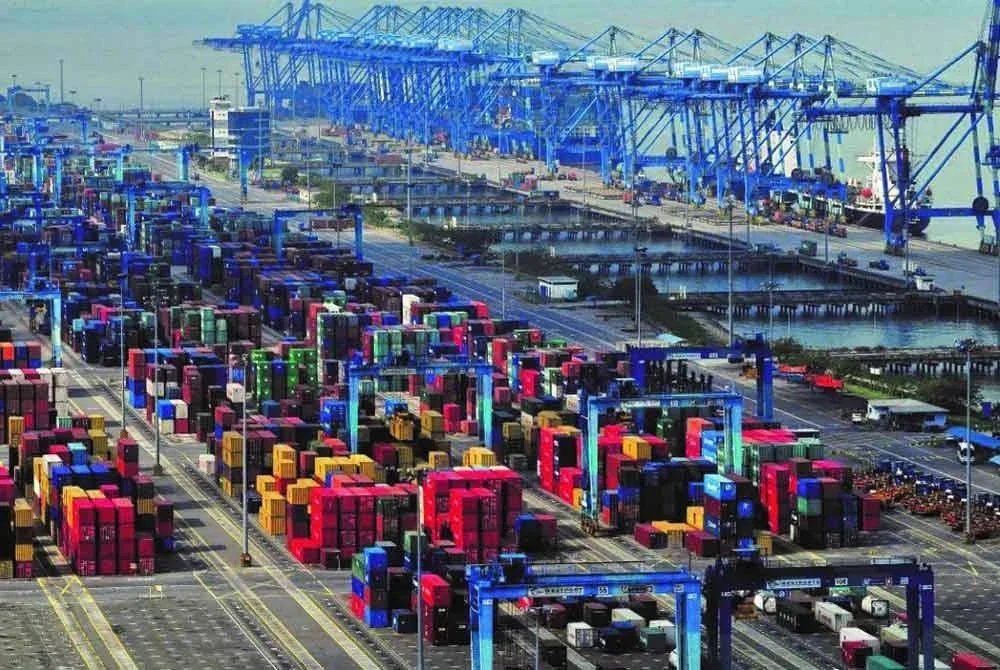
KUALA LUMPUR: Malaysia's Gross Domestic Product (GDP) growth is expected to moderate to 4.2 percent this year compared to 5.2 percent in 2025, driven by increasing domestic demand alongside remaining resilient external demand, according to MBSB Investment Bank Bhd (MBSB IB). The investment bank said the outlook for foreign trade remained cautious as weaker global demand in a high inflation environment could dampen export momentum.\ However, continued energy price shocks and potential disruptions to trade flows in West Asia could put pressure on global supply chains and increase the risk of shortages of petroleum-related products. “In addition, tighter United States (US) trade policies could continue to affect external demand, particularly if new tariffs are imposed on semiconductor products, thus posing a downside risk to Malaysia's electrical and electronics (E&E) exports. “Domestically, growth prospects may also face pressure from weaker consumer and business sentiment as well as rising pricing pressures, with companies expected to pass on higher production costs to consumers,” said MBSB IB in its research note. According to the investment bank, although domestic growth remains strong, the ringgit continues to face challenges against a strong US dollar. At the same time, the “higher rates for longer than expected” narrative in the US is gaining traction, with demand for dollar-denominated assets increasing. Some market players expect the likelihood of higher interest rate hikes following renewed inflation concerns in the US to potentially support the US dollar index in the short term, as supply-side inflationary pressures remain a concern. Going forward, MBSB IB expects the local currency to strengthen throughout 2026, as the ringgit's recent resilience reflects increased confidence in Malaysia's macroeconomic management as well as stronger economic fundamentals. “However, this prospect (further ringgit strengthening) faces challenges from a resurgent US dollar as market participants factor in a 'no rate cut' scenario for this year, driven by ongoing oil price shocks and rising geopolitical tensions in West Asia. "Currently, we maintain our ringgit forecast for 2026, with an expected stronger average of around RM3.92 and closing at around RM3.85 by year-end," he said. -- BERNAMA

Malaysia’s GDP growth expected to moderate to 4.2 percent in 2026 – MBSB IB

KUALA LUMPUR: Malaysia’s Gross Domestic Product (GDP) growth is expected to moderate to 4.2 percent this year compared to 5.2 percent in 2025, driven by increasing domestic demand alongside remaining .... read more

KUALA LUMPUR: Malaysia needs to expand green financing, strengthen local technology capabilities and increase participation across sectors and regions to fully capitalize on the global transition towards sustainability, thus turning climate risk into a competitive advantage in the green value chain. In its recently published Climate and Country Development Report, the World Bank stated that significant obstacles such as low investment in research and development (R&D), workforce skills gaps and weak industry-academia collaboration risk limiting innovation as Malaysia accelerates the country's green transition. “Although Malaysia has introduced green policies and fiscal instruments, domestic private sector investment remains cautious and the innovation ecosystem is still in the development phase. "To accelerate this transformation, Malaysia also needs to increase investment in sustainability-related services and the knowledge-based sector," the bank said in the report. The World Bank also noted that global demand for activities supported by strong environmental, social and governance (ESG) standards is increasing, with green financing, climate risk analytics, sustainable certification and environmental auditing emerging as new growth areas. According to him, Malaysia has a competitive advantage in ESG due to its mature financial sector, robust digital infrastructure and multilingual workforce. "Developing capabilities in these high-value services will diversify exports and integrate sustainability elements into the supply chain," said the bank, adding that states such as Penang and Selangor have the potential to become green industrial clusters that can attract sustainable investment and talent. At the same time, the bank stressed that rural and small-scale states need to be empowered to also reap the benefits of low-carbon growth, whether through green agro-processing, circular economy enterprises or ecotourism. According to him, support for small and medium enterprises (SMEs), investment in regional innovation hubs and empowerment of local governance will ensure that Malaysia's green transition is inclusive, resilient and forms the basis for shared prosperity. Impact of Climate Change The World Bank has announced that climate change is expected to cost up to 8.3 percent of Malaysia's Gross Domestic Product (GDP) by 2050 under the most pessimistic scenario, with greater losses possible. According to him, about half of the predicted costs have already been realised through a decline in GDP, driven by crop losses, floods and reduced productivity due to heat stress. The World Bank has stated that the agriculture sector alone faces the risk of a decline of up to 18 percent in its production value by mid-century, with knock-on effects that will affect business continuity, employment, health outcomes and overall economic stability. "If a once-in-20-year flood hits after a prolonged heat wave, GDP losses could exceed 20 percent in a single year, making climate resilience an economic imperative," the bank said. According to the bank, adaptation measures have the potential to offset up to half of the expected climate-related economic losses, with efforts to address heat stress as a key strategy. The World Bank has stated that increasing the coverage of air conditioning in workplaces from 42 to 75 percent by 2050 could maintain workforce productivity at a modest annual cost of around US$40 million. "However, more comprehensive action is needed. Climate-resilient land-use plans can reduce the risk of floods and landslides, while climate-smart agriculture and integrated water resources management will help maintain food and water security," the bank said. -- BERNAMA

Malaysia needs green finance surge, strengthen technology for global competitiveness – World Bank

KUALA LUMPUR: Malaysia needs to expand green financing, strengthen local technology capabilities and increase participation across sectors and regions to fully capitalize on the global transition towards sustainability, thus turning .... read more
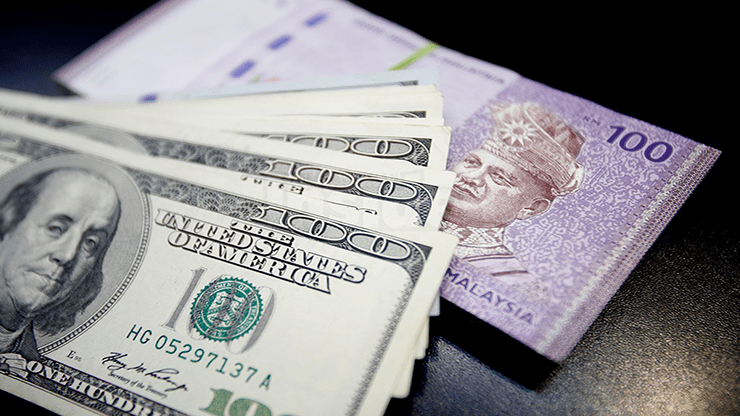
KUALA LUMPUR: The ringgit opened almost unchanged against the United States (US) dollar from yesterday's close as the market awaits the latest decision from Bank Negara Malaysia's (BNM) Monetary Policy Committee (MPC) scheduled to be announced on May 7. At 8am, the local currency was at 3.9540/9590 against the US dollar at 3.9540/9575 when it closed on Monday. Bank Muamalat Malaysia Bhd Chief Economist, Mohd Afzanizam Abdul Rashid said that although the market is taking a wait-and-see approach ahead of the MPC meeting, the fighting in the Persian Gulf between the United States (US) and Iranian forces has the potential to affect the ceasefire. "Elevated tensions in West Asia resulted in global oil benchmark prices, WTI and Brent crude oil, jumping by 4.39 percent and 5.80 percent to US$106.42 per barrel and US$114.44 per barrel respectively. At the opening of trading, the ringgit traded higher against a basket of major currencies. The local unit rose against the Japanese yen to 2.5151/5184 from 2.5186/5210 at yesterday's close, rose against the British pound to 5.3498/3565 from 5.3612/3660 and gained against the euro to 4.6230/6289 from 4.6329/6370 previously. Meanwhile, the local currency is trading higher compared to the currencies of ASEAN countries. The ringgit rose against the Singapore dollar to 3.0963/1005 from 3.1019/1049 at Monday's close, gained against the Thai baht to 12.0740/0963 from 12.1460/1631, gained against the Indonesian rupiah to 227.3/227.6 from 227.3/227.6, however was unchanged against the Philippine peso at 6.42/6.43. -- BERNAMA

Ringgit stable against US dollar ahead of MPC decision

KUALA LUMPUR: The ringgit opened almost unchanged against the United States (US) dollar from yesterday’s close as the market awaits the latest decision from Bank Negara Malaysia’s (BNM) Monetary Policy .... read more