SINGAPORE, November 2 – Global shipping operator Cargill has partnered with Neptune Robotics to introduce advanced robotic technology for cleaning and inspecting ship hulls in Singapore waters.
The 18-month partnership is part of the Maritime and Port Authority of Singapore’s (MPA) In-Water Hull Inspection & Cleaning Innovation Programme. It aims to improve vessel efficiency, reduce fuel consumption and support the shipping industry’s efforts to lower carbon emissions.
Under the agreement, Neptune Robotics will provide AI-powered robotic cleaning and inspection services for Cargill vessels calling at the Port of Singapore.
The programme will test the technology under real operating conditions. It will also assess how effectively robotic systems can clean ship hulls, inspect underwater surfaces and collect data to improve vessel performance.
Three Key Areas of Collaboration
The partnership will focus on three main areas.
First, Neptune will deploy remotely operated underwater vehicles (ROVs) equipped with artificial intelligence to clean ship hulls.
Second, its robotic systems will carry out detailed inspections and use AI-based data analysis to assess hull conditions.
Third, both companies will measure potential fuel savings by comparing vessel performance before and after cleaning. The findings will help evaluate the technology’s contribution to maritime decarbonisation.
Cargill has worked with Neptune Robotics for more than four years. As part of the latest collaboration, Cargill will provide operational feedback and guidance to support the development of Neptune’s next-generation robots, software and AI models.
Singapore Supports Maritime Innovation
Neptune Robotics Chief Executive Officer and Co-Founder Elizabeth Chan said Singapore provides an ideal environment to test advanced hull-cleaning technology because of its position as one of the world’s busiest shipping hubs.
She said the partnership with Cargill would allow the company to test its technology across different operating conditions while demonstrating the safety and reliability of robotic cleaning.
Meanwhile, Ying Ying Lim, Vice President of Cargill Ocean Transportation, APAC, said the collaboration reflects the company’s commitment to improving vessel efficiency and supporting the long-term decarbonisation of global shipping.
She added that working with Neptune and MPA would help establish practical evidence of how robotic cleaning can be introduced safely and consistently across the maritime industry.
Ship Hull Cleaning Can Reduce Fuel Consumption
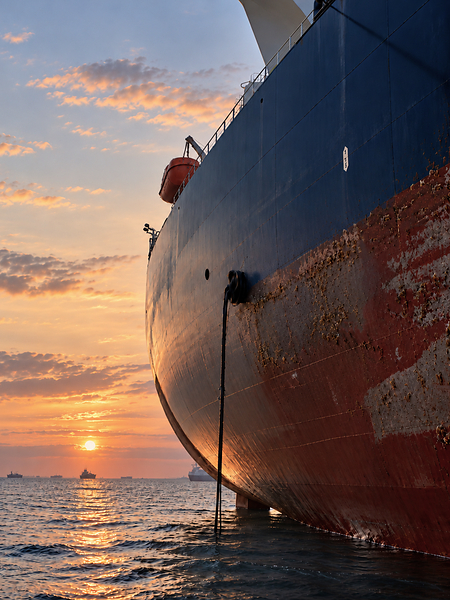
Marine organisms and other growth on ship hulls can increase resistance as vessels move through water. This condition, known as biofouling, forces ships to use more fuel and can increase greenhouse gas emissions.
According to the information cited in the announcement, biofouling can increase a vessel’s greenhouse gas emissions by up to 30 per cent, depending on its characteristics and operating conditions.
The Singapore programme will therefore assess the safety, efficiency, cost-effectiveness and environmental impact of robotic hull inspection and cleaning.
MPA selected Neptune Robotics as one of six participants in the innovation programme in April 2026. The initiative is supported by the Maritime Innovation and Technology Fund to develop and test new maritime technologies.
Through the partnership, Cargill and Neptune aim to demonstrate how AI-powered robotics can improve ship maintenance, reduce fuel use and support more sustainable maritime operations.
Source : PR Newswire | Rewritten By Minutesmy