As Johor moves closer to its next state election, voters from all communities will be assessing the performance of the current administration and deciding which leadership they believe can best serve their interests. For many within the Indian community, that assessment may increasingly be shaped by a simple question: who has delivered tangible results on long-standing issues affecting the community? A recent example often cited by supporters of Johor Menteri Besar Datuk Onn Hafiz Ghazi is the completion of the Sri Maha Muniswarar Hall in Ulu Tiram. While political debates frequently revolve around promises and manifestos, the project has become a symbol of what many view as effective governance and follow-through. The hall's construction began in 1999 but encountered years of delays before eventually being abandoned in 2016. In 2022, following a visit to the site, Onn Hafiz approved RM500,000 to revive the project. Today, the completed facility serves as a venue for cultural activities, educational programmes, welfare initiatives, weddings, and community gatherings. To many residents and community leaders, the significance of the hall extends beyond its physical structure. It represents the resolution of an issue that had remained dormant for years and demonstrates a willingness by the state government to engage with grassroots concerns. Education has also remained a key issue for the Indian community. Under the current administration, Johor approved two new Sekolah Jenis Kebangsaan Tamil (SJKT) schools—SJKT Impian Emas and SJKT Taman Universiti. Given the limited number of new Tamil school approvals nationwide in recent years, supporters argue that this reflects a commitment to ensuring educational opportunities for future generations. Another notable development is the establishment of the Kompleks Upacara Terakhir Hindu in Kampung Telok Jawa. Supported by an allocation of RM1.9 million and built on land granted by the Sultan of Johor, the facility includes a crematorium that serves communities in Tebrau and Pasir Gudang. The complex was officially opened on June 1, 2026. Additionally, the state government has approved land matters involving 17 Hindu temples across Johor, helping address concerns surrounding legal recognition and long-term security for places of worship. Welfare initiatives, including Bantuan Kasih Johor and food basket programmes, have also continued to assist lower-income families navigating rising living costs. These developments have led some observers to compare the current administration's record with previous governments. Critics of Pakatan Harapan's tenure in Johor between 2018 and 2020 argue that several long-standing community issues—including temple land matters, Tamil school development, and key infrastructure projects—saw limited progress during that period. Supporters of the current administration point out that the Ulu Tiram hall itself remained incomplete for years before funding was allocated and construction resumed under the present government. They contend that visible outcomes matter more than political rhetoric when evaluating leadership performance. State-level governance often determines the pace of progress on practical issues such as temple land approvals, school development, crematorium facilities, and community infrastructure. These are matters that require administrative efficiency, policy continuity, and sustained engagement between government agencies and local communities. Whether voters ultimately support Barisan Nasional, Pakatan Harapan, or another political coalition remains a personal choice. However, it is understandable why some members of Johor's Indian community view the current administration favourably, citing projects that have moved beyond announcements and into reality. The opening of the Sri Maha Muniswarar Hall serves as a reminder that communities often judge governments not only by what they promise but by what they successfully deliver. As the next state election approaches, that record of delivery is likely to remain a significant factor in shaping voter sentiment. R. Muralitharan is a political observer and Vice President of Parti Cinta Malaysia. The views expressed are solely those of the author and do not necessarily reflect the views of the publication. -- MINUTESMY -- CREDIT: PRESS KL

Why Many Johor Indians May Continue to Place Their Confidence in Onn Hafiz and BN

As Johor moves closer to its next state election, voters from all communities will be assessing the performance of the current administration and deciding which leadership they believe can best serve their interests. For many within the Indian community, that assessment may increasingly be shaped by a simple question: who has delivered tangible results on long-standing issues affecting the community?

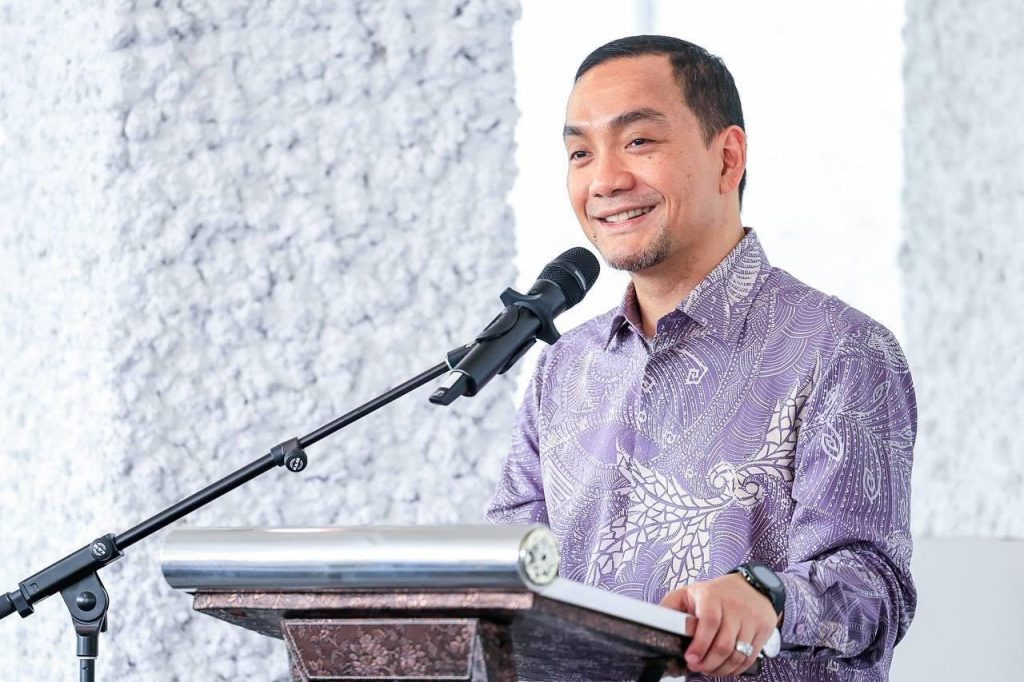
A recent example often cited by supporters of Johor Menteri Besar Datuk Onn Hafiz Ghazi is the completion of the Sri Maha Muniswarar Hall in Ulu Tiram. While political debates frequently revolve around promises and manifestos, the project has become a symbol of what many view as effective governance and follow-through.

The hall’s construction began in 1999 but encountered years of delays before eventually being abandoned in 2016. In 2022, following a visit to the site, Onn Hafiz approved RM500,000 to revive the project. Today, the completed facility serves as a venue for cultural activities, educational programmes, welfare initiatives, weddings, and community gatherings.

To many residents and community leaders, the significance of the hall extends beyond its physical structure. It represents the resolution of an issue that had remained dormant for years and demonstrates a willingness by the state government to engage with grassroots concerns.

Education has also remained a key issue for the Indian community. Under the current administration, Johor approved two new Sekolah Jenis Kebangsaan Tamil (SJKT) schools—SJKT Impian Emas and SJKT Taman Universiti. Given the limited number of new Tamil school approvals nationwide in recent years, supporters argue that this reflects a commitment to ensuring educational opportunities for future generations.

Another notable development is the establishment of the Kompleks Upacara Terakhir Hindu in Kampung Telok Jawa. Supported by an allocation of RM1.9 million and built on land granted by the Sultan of Johor, the facility includes a crematorium that serves communities in Tebrau and Pasir Gudang. The complex was officially opened on June 1, 2026.

Additionally, the state government has approved land matters involving 17 Hindu temples across Johor, helping address concerns surrounding legal recognition and long-term security for places of worship. Welfare initiatives, including Bantuan Kasih Johor and food basket programmes, have also continued to assist lower-income families navigating rising living costs.

These developments have led some observers to compare the current administration’s record with previous governments. Critics of Pakatan Harapan’s tenure in Johor between 2018 and 2020 argue that several long-standing community issues—including temple land matters, Tamil school development, and key infrastructure projects—saw limited progress during that period.

Supporters of the current administration point out that the Ulu Tiram hall itself remained incomplete for years before funding was allocated and construction resumed under the present government. They contend that visible outcomes matter more than political rhetoric when evaluating leadership performance.

State-level governance often determines the pace of progress on practical issues such as temple land approvals, school development, crematorium facilities, and community infrastructure. These are matters that require administrative efficiency, policy continuity, and sustained engagement between government agencies and local communities.

Whether voters ultimately support Barisan Nasional, Pakatan Harapan, or another political coalition remains a personal choice. However, it is understandable why some members of Johor’s Indian community view the current administration favourably, citing projects that have moved beyond announcements and into reality.

The opening of the Sri Maha Muniswarar Hall serves as a reminder that communities often judge governments not only by what they promise but by what they successfully deliver. As the next state election approaches, that record of delivery is likely to remain a significant factor in shaping voter sentiment.

R. Muralitharan is a political observer and Vice President of Parti Cinta Malaysia. The views expressed are solely those of the author and do not necessarily reflect the views of the publication.

MINUTESMY
CREDIT: PRESS KL

Related News