
Category :

MMA INNOVATE Vietnam 2026: A Premier Meeting Point for the Marketing and Technology Ecosystem

HO CHI MINH CITY, Vietnam, May 11, 2026 /PRNewswire/ — Following a remarkable 2025 edition that brought together 3,000+ senior leaders, 60+ international speakers, 40+ technology booths, 60 leading partners, .... read more

BEIJING, May 11, 2026 -- On April 30, Coremail officially unveiled its AI-Native Secure Email System at the 9th Digital China Summit, showcasing the company's continued innovation and technical expertise in enterprise email and intelligent workplace collaboration. As AI enters the "Year of the Agent" in 2026, artificial intelligence is evolving into a new form of digital productivity capable of intelligent planning and cross-scenario coordination. At the same time, email is transforming from a traditional messaging tool into critical infrastructure that connects enterprise systems and business data flows. In response to this shift, Coremail has introduced its AI-Native Secure Email System built around a "Perceive-Think-Act" architecture. The CLI-driven model is emerging as a key foundation for building agent-friendly systems, and the Coremail AI-Native Secure Email System is designed to fully unlock AI's operational value through this architecture. Powered by large language models as its cognitive engine, agents as its execution layer, and enterprise data as its operational core, the system is helping transform email workflows from manual operations into AI-assisted collaboration. The system is designed to support six core enterprise scenarios, including email classification, scheduling, approval workflows, workplace collaboration, email analytics, and system operations. It enables capabilities such as advanced email retrieval, intelligent meeting coordination, automated analysis and classification, and AI-assisted operations management. Powered by user-profile and behavioral analysis, the smart dashboard can automatically identify business priorities and task urgency, helping users cut through information overload. Through coordinated multi-agent collaboration, the system enables seamless information orchestration and operational automation across emails and business processes, further enhancing operational efficiency. In terms of ecosystem integration, the system supports the Model Context Protocol (MCP), extending email beyond its traditional boundaries. Within a secure sandbox environment, third-party tools and APIs can be dynamically integrated on demand, enabling email to serve as a unified entry point for enterprise-wide workflow orchestration and transforming it from an information container into a business information hub. "AI is reshaping enterprise productivity, and email is evolving from a communication tool into an intelligent collaboration hub. Coremail will continue advancing AI-native innovation to help enterprises build more secure and efficient digital workplaces," said Marvin Wu, Vice President of Coremail. The Coremail AI-Native Secure Email System is built around a deeply secure and controllable execution framework powered by intelligent agents. Based on the ReAct (Reasoning + Acting) framework, the system brings all tasks into a standardized lifecycle spanning perception, planning, execution, and feedback, helping ensure complex workflows operate within governed business boundaries. The system adopts a dual-layer sandbox isolation architecture built around a user-level sandbox model and the principle of least-privilege access control. Under this framework, AI agents operate exclusively within independent encrypted execution environments, enabling automated orchestration across complex email workflows while maintaining strict control over data access and permission boundaries. In doing so, the system delivers both operational efficiency and enterprise-grade security protection. In addition, the Coremail AI-Native Secure Email System introduces comprehensive upgrades across interface design and user experience. Features such as a three-pane information layout, optimized grouping logic, floating prompts, and quick-access functions help streamline operations and create a more intuitive workplace experience. Driven by AI innovation and built with security at its core, the Coremail AI-Native Secure Email System is redefining the enterprise email experience for the intelligent workplace era. Looking ahead, Coremail will continue advancing AI-native innovation and delivering trusted products and services that help enterprises operate with greater efficiency, security, and resilience in the age of AI. Source: Coremail & /PRNewswire/

Coremail Launches AI-Native Secure Email System for the Agent Era

BEIJING, May 11, 2026 — On April 30, Coremail officially unveiled its AI-Native Secure Email System at the 9th Digital China Summit, showcasing the company’s continued innovation and technical expertise .... read more

NILAI, 11 May 2026 - TP-Link Distribution Malaysia Sdn. Bhd. (“TP-Link Malaysia”) is extending its talent development strategy with a new collaboration with Universiti Sains Islam Malaysia (USIM), reinforcing a growing push to build a structured pipeline of enterprise networking professionals across Malaysia. Rather than standalone academic partnerships, the collaboration reflects a more deliberate effort to connect universities into a broader ecosystem where students are trained, certified and channelled into industry with relevant in-demand skills. The Memorandum of Understanding (MoU) formalises a three-year collaboration focused on integrating enterprise networking capabilities directly into USIM’s academic environment. Through this, TP-Link Malaysia will deploy its Omada enterprise networking solutions within campus labs, enabling students to work on infrastructure that mirrors real-world enterprise systems. The programme is designed to move beyond theoretical exposure, combining hands-on technical training, structured workshops and access to the Omada Certified Network Administrator (OCNA) certification pathway. This ensures students graduate not just with knowledge, but with validated, industry-recognised competencies. A key component of the collaboration is the direct link to industry. Students will be offered industrial training and internship placements with TP-Link, providing practical exposure and a clearer pathway into employment within Malaysia’s digital economy. Hugo Cai, Regional Director of TP-Link Malaysia, said “Enterprises today require talent that can operate, not just understand, digital infrastructure. By building a structured pipeline that connects training, certification and industry exposure, we are creating a more direct path from university to the workforce. The focus is no longer just on education, but on how effectively talent can transition into industry.” “This partnership allows us to go beyond academic delivery by embedding practical industry elements into the learning experience, ensuring our students are better equipped to meet evolving expectations in the digital economy. The collaboration strengthens the university’s approach to preparing students for real-world demands”, said Prof. Ts. Dr. Mohd Ikmar Nizam Hj. Mohamad Isa, Deputy Vice-Chancellor (Research and Innovation) of USIM. The collaboration with USIM builds on TP-Link Malaysia’s earlier engagements with Universiti Malaya and Universiti Teknologi MARA, forming a growing network of institutions aligned to a common goal of developing enterprise networking talent. In 2025, approximately 500 students participated in the OCNA certification pathway, reflecting strong uptake and increasing relevance of industry-aligned programmes. Beyond talent development, both organisations will explore collaboration in research, faculty engagement and knowledge exchange, strengthening the link between academic institutions and industry practice. As Malaysia continues to invest in digital infrastructure, the ability to consistently develop and deploy skilled talent will be a defining factor in sustaining growth. Initiatives that connect education directly with industry requirements are expected to play an increasingly critical role in shaping the country’s digital workforce. For more information about TP-Link’s Omada enterprise networking solutions, please visit: https://www.omadanetworks.com/us/business-networking/consult/

TP-Link Expands University Ecosystem with USIM to Scale Enterprise Networking Talent Pipeline

NILAI, 11 May 2026 – TP-Link Distribution Malaysia Sdn. Bhd. (“TP-Link Malaysia”) is extending its talent development strategy with a new collaboration with Universiti Sains Islam Malaysia (USIM), reinforcing a .... read more
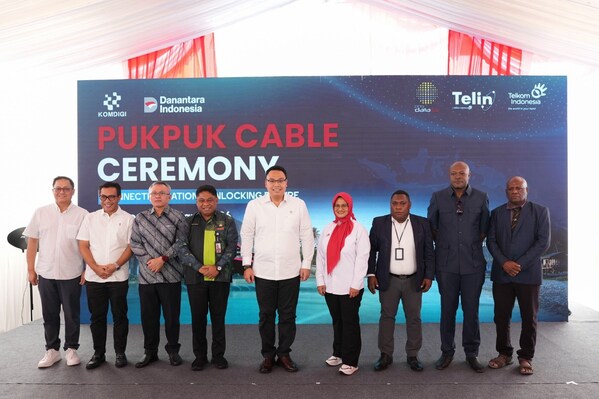
TelkomGroup Launches Pukpuk Submarine Cable: The First Digital Bridge Connecting Indonesia and Papua New Guinea

JAYAPURA, Indonesia, May 9, 2026 /PRNewswire/ — PT Telkom Indonesia (Persero) Tbk, through its operating company, PT Telekomunikasi Indonesia International (Telin), officially inaugurated the Pukpuk Submarine Cable System (Puk-Puk 1) .... read more

Govt Resolves RM19 Mln MSME Digital Grant Delays Following Ministerial Intervention

PUTRAJAYA, May 8 — The Ministry of Digital has confirmed that all delayed disbursements under the Geran Digital PMKS MADANI (GDPM) programme have been successfully completed following ministerial intervention to .... read more
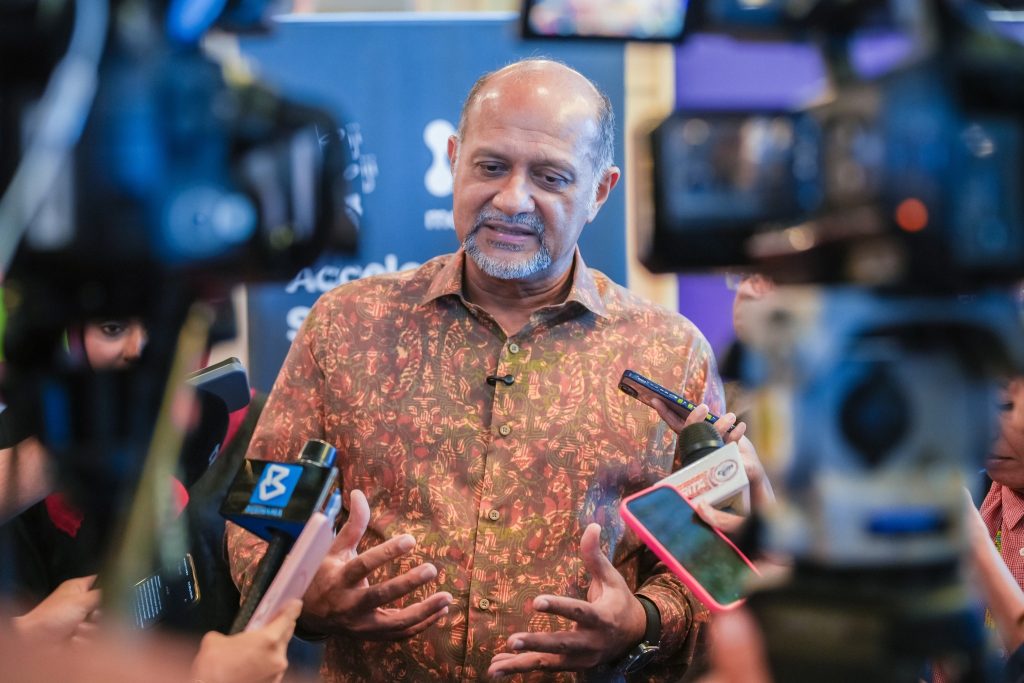
KUALA LUMPUR, May 8 — Malaysia must develop its own local technological capabilities to reduce dependence on foreign platforms and systems, particularly amid the rapid growth of artificial intelligence (AI). Digital Minister Gobind Singh Deo said digital sovereignty today is no longer defined solely by national borders, but also by control over data, infrastructure, platforms and technological systems used by society. According to him, Malaysia must shift from being merely a digital investment destination to becoming a nation capable of building its own technological strengths. “Providing hosting infrastructure is not the same as owning it. If the capital, platforms and intelligence are controlled externally, then the strategic advantage lies elsewhere,” he said. He said this while discussing the country’s digital development direction amid the increasingly challenging global technology landscape. Gobind stressed that the rapid advancement of AI makes strengthening local talent even more critical to ensure the country is prepared for future technological changes. He said the government cannot completely reject foreign technologies, but at the same time must develop local expertise so Malaysia can create its own technological systems and solutions. “That is why we must focus on ensuring we have sufficient talent within our country so that when new technologies arrive, our society is fully prepared to adopt and utilise them,” he added. At the same time, he emphasised that the security of citizens’ data remains a key government priority through the implementation of laws and monitoring by relevant agencies, including CyberSecurity Malaysia. “Data is extremely important to us. Security is our priority,” he said. Gobind also stressed that stronger collaboration between the government, industry and academic institutions is essential to ensure Malaysia can build a sustainable and competitive digital ecosystem at both regional and global levels. -- MINUTESMY -- SOURCES: FB GOBIND SINGH DEO

Malaysia Must Build Its Own Technological Capabilities to Reduce Foreign Dependence — YB Gobind Singh

KUALA LUMPUR, May 8 — Malaysia must develop its own local technological capabilities to reduce dependence on foreign platforms and systems, particularly amid the rapid growth of artificial intelligence (AI). .... read more

Media Organisations Urged To Tap AI For Data Monetisation, Not Just Automation – Specialist

KUALA LUMPUR, May 7 (2026 — Media organisations should leverage artificial intelligence (AI) beyond newsroom automation by monetising decades of archived data and audience insights to strengthen long-term business sustainability. .... read more
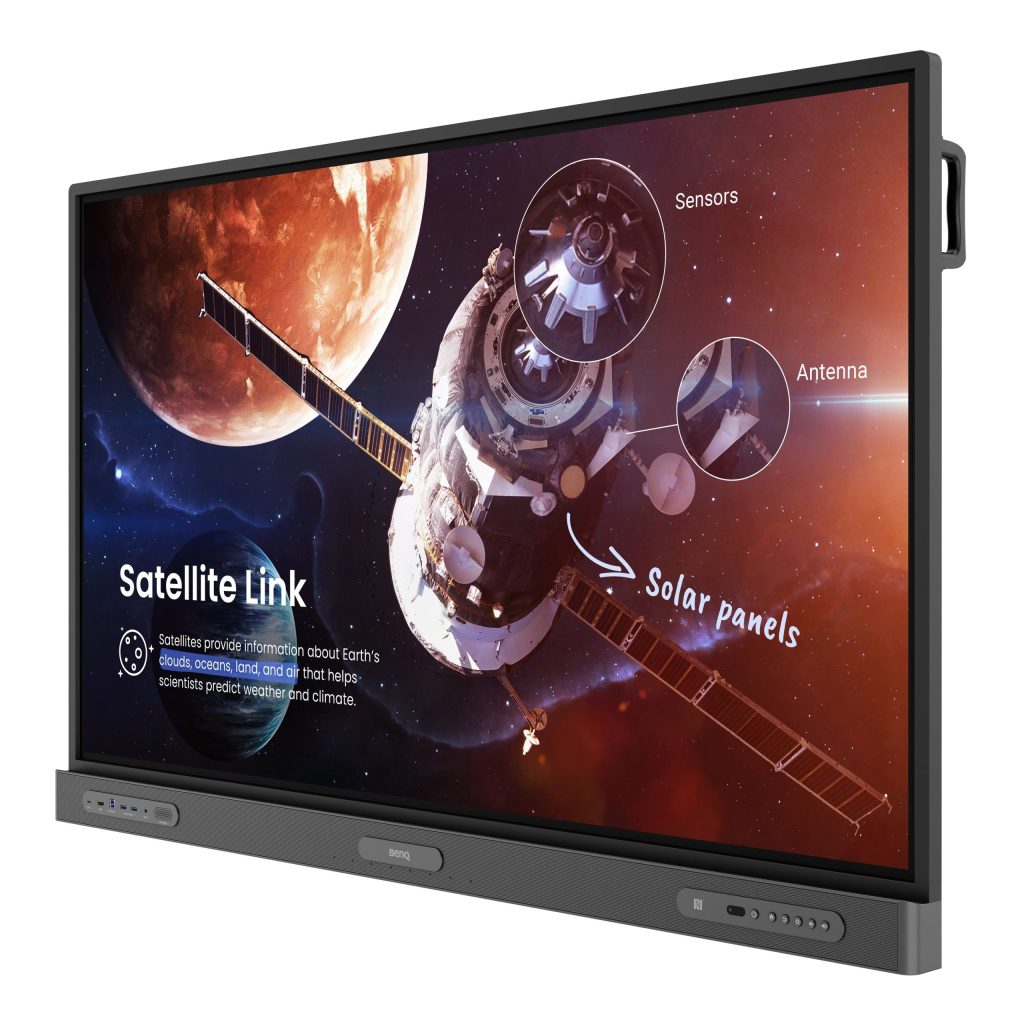
BenQ Launches AI-Optimised Interactive Displays with NPU and Built-In Software Suite for Education

SYDNEY (May 7, 2026) – BenQ Australia has introduced its latest innovation in educational technology with the launch of the BenQ Board Pro RP05 and Board Master RM05. Recognized as .... read more

Taimei Technology and C&R Research Announce Strategic Partnership to Build AI-Powered Clinical Trial Innovation

SEOUL, South Korea and SHANGHAI, May 7, 2026 /PRNewswire/ — Taimei Technology (HK.02576), a leading AI-powered drug clinical development platform company, and C&R Research (A359090), a top-tier CRO in South .... read more
​CYBERJAYA, 7 May 2026 – The Malaysian Communications and Multimedia Commission (MCMC) calls on Malaysians to show their support for the nation's technological innovations and inclusive development efforts by voting for Malaysia's nominated projects at the World Summit on the Information Society (WSIS) Prizes 2026, organised by the International Telecommunication Union (ITU). ​Aligned with this year's WSIS theme of leveraging ICTs to accelerate sustainable development and build an inclusive digital future, Malaysia's participation reflects the nation's continued commitment to harnessing technology for progress, resilience and shared prosperity. ​This year, Malaysia continues its role as a Platinum Strategic Partner, underscoring its ongoing contribution to shaping the global dialogue on technological innovation while reinforcing Southeast Asia's emergence as a dynamic hub for digital innovation. ​A total of 10 Malaysia-led projects supported by MCMC have been shortlisted across multiple categories. These projects span key areas including digital governance, online safety, ICT innovation, agriculture technology, and community empowerment. ​The nominated projects are as follows: ​1. ASEAN 5G Skills Framework and Capacity Development Platform 2. ​Communications & Infrastructure Disaster Recovery (CIDR) Plan 3. ​Human-Centered Digital Governance Through MCMC's Five-Year Plan 2030 4. ​AgriNXT: Oil Palm Chapter (OPC) 5. ​MCMC'S AGRINXT Northern Chapter: Empowering Malaysian Livestock Farmers with AI-based Cattle Weight Estimation ​6. MCMC'S AGRINXT Northern Chapter: Empowering Paddy Farmers Via AI-driven Paddy Disease Detection 7. ​Sebenarnya.my Portal 8. ​Kempen Internet Selamat (KIS) 9. ​E-waste Stewardship Through Community Collaboration for Responsible Circularity Action 10. ​Empowering Communities for Heal ​These initiatives demonstrate Malaysia's holistic approach to leveraging technology for national development – from strengthening digital resilience and governance, to empowering communities and promoting responsible online behaviour. ​The WSIS Prizes serve as a global platform to recognise outstanding ICT-driven projects that contribute to achieving the United Nations Sustainable Development Goals (SDGs). Public voting plays an important role in determining the final winners, making every vote an opportunity to showcase Malaysia's innovation and impact on the global stage. ​Malaysia's participation in WSIS Prizes 2026 reflects the nation's growing role in advancing inclusive, sustainable and responsible digital development. MCMC encourages all Malaysians to support these initiatives by casting their votes through the official WSIS Prizes platform at https://www.itu.int/net4/wsis/stocktaking/Prizes/Prizes/. ​Through this collective effort, Malaysia asserts its leadership in responsible technological innovation, setting the pace for a safe, inclusive and trusted digital future while showcasing the nation's impact on the global stage. -- SOURCE: ​MCMC CORPORATE COMMUNICATIONS

MCMC INVITES MALAYSIA TO SUPPORT TECHNOLOGY INNOVATION AT WSIS PRIZES 2026

​CYBERJAYA, 7 May 2026 – The Malaysian Communications and Multimedia Commission (MCMC) calls on Malaysians to show their support for the nation’s technological innovations and inclusive development efforts by voting .... read more