Category :

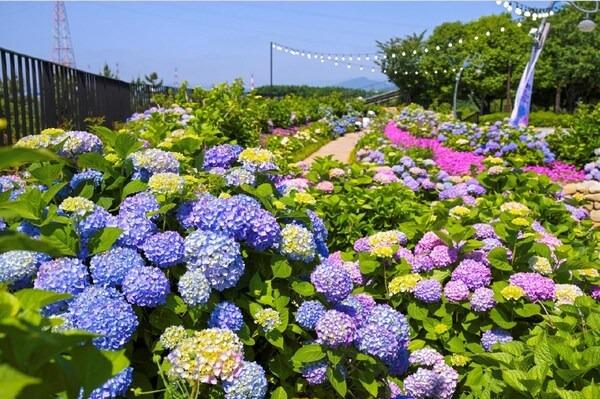
ULSAN, South Korea, June 4, 2026 /PRNewswire/ -- Ulsan's Namgu, known as an eco-cultural district and a symbol of Korea's whale heritage, will host the 5th Jangsaengpo Hydrangea Festival from June 19 to 28 at the Jangsaengpo Whale Culture Village. The festival has established itself as Ulsan's premier early summer floral event. This year, the village will come alive with over 37,000 hydrangea plants across 40 varieties, including new additions like Orion Blue, Red Baron, and Marshall. Approximately 900,000 blossoms will cascade across the venue in vibrant waves of color. By night, illuminated gardens will create a beautifully romantic ambiance. A major highlight this year is the official launch of the "Whale Kart," a motorized, circular track spanning 1.05 kilometers throughout the village. Reaching speeds up to 40 km/h, the karts take riders on a dynamic tour past the Whale Sculpture Park and Lavender Garden, offering an immersive view of Jangsaengpo's scenery. Designed with motifs of Namgu's official character, "Jangsaengi," the attraction provides a thrilling new way to experience the area's maritime charm. Throughout the festival, the special stage at Whale Culture Square will host a continuous lineup of entertainment, starting with the opening ceremony. Visitors can enjoy diverse programs, including the "Hydrangea Music Box" hosted by a popular radio DJ, retro acoustic folk concerts, street performances, and family-friendly magic shows. Every Saturday night, a spectacular fireworks show will light up the sky over Jangsaengpo. To accommodate early visitors, the Ulsan Namgu Office will run a promotion booth near the Whale Culture Village office starting June 6. A vibrant atmosphere will be maintained throughout the grounds with flea markets, food trucks, and interactive experience booths, ensuring abundant entertainment for families, couples, and tourists. Admission to the festival is completely free, allowing anyone to appreciate the spectacular floral displays. However, visitors holding a paid ticket for the Whale Kart will be eligible for exclusive discounts on newly released tourist souvenirs. "This year's festival is a special event where visitors can experience our beautifully cultivated hydrangeas alongside the new Whale Kart," said an official from the Ulsan Namgu Office. "We hope families, couples, and friends create unforgettable memories while enjoying a perfect blend of flowers, culture, and relaxation." Source : Nam-gu Office, Ulsan Metropolitan City

Ride Through a Sea of 900,000 Hydrangeas: Ulsan Namgu’s 5th Jangsaengpo Hydrangea Festival Unveils the New Whale Kart

ULSAN, South Korea, June 4, 2026 — Ulsan’s Namgu, known as an eco-cultural district and a symbol of Korea’s whale heritage, will host the 5th Jangsaengpo Hydrangea Festival from June .... read more
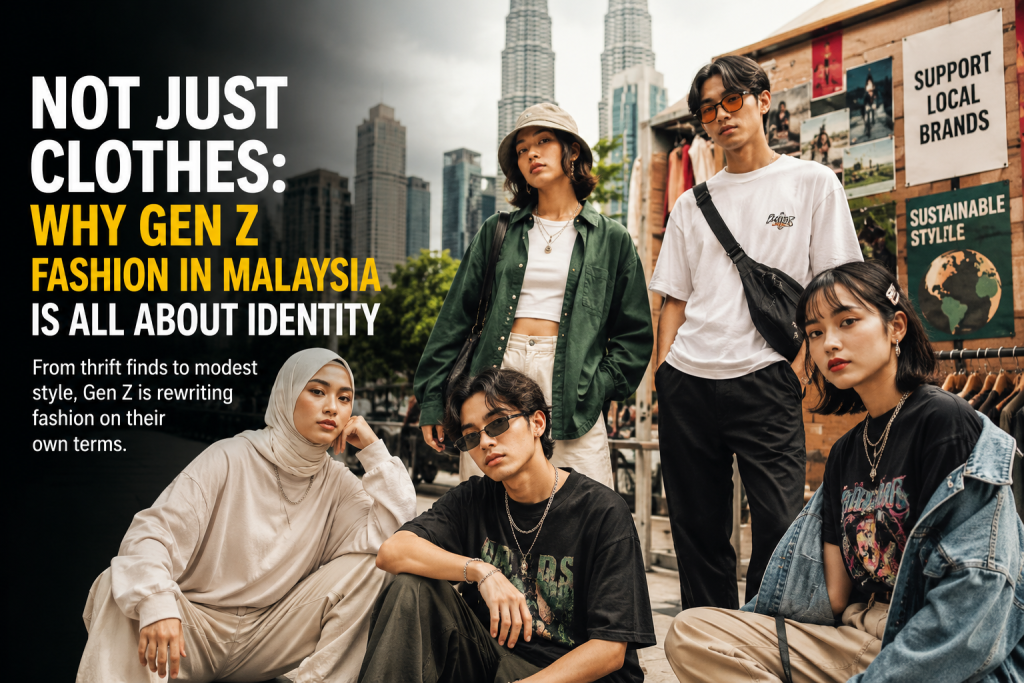
Walk into any café in Kuala Lumpur on a weekend afternoon, and you'll notice something interesting. At one table, a group of friends dressed in oversized shirts, baggy jeans and sneakers are taking photos for social media. Across the room, another group mixes vintage jackets with thrifted accessories, creating looks that seem effortless yet carefully curated. Outside, a young woman pairs a modern hijab style with streetwear-inspired pieces, proving that modest fashion and contemporary trends can go hand in hand. This is Gen Z fashion in Malaysia—diverse, expressive and impossible to define with a single trend. For many young Malaysians today, fashion is no longer just about looking good. It has become a way to communicate who they are, what they believe in and how they see the world. Unlike previous generations that often followed fashion rules dictated by magazines, celebrities or major brands, Gen Z grew up in an era where inspiration is only a swipe away. TikTok, Instagram and Pinterest have transformed the fashion landscape, exposing young people to styles from Seoul, Tokyo, London and New York in real time. Yet what makes Malaysian Gen Z unique is their ability to adapt global trends to local culture. Rather than simply copying what they see online, many young Malaysians are blending international influences with their own identities. Traditional elements, local brands and cultural heritage often find their way into everyday outfits, creating a style that feels both global and distinctly Malaysian. One trend that continues to gain momentum is thrift shopping. For Gen Z, visiting a thrift store is more than just a hunt for bargains. It is an experience. The thrill of discovering a one-of-a-kind jacket or vintage shirt often carries more appeal than purchasing something mass-produced from a fast-fashion retailer. There is also a growing awareness of sustainability. Many young consumers are increasingly concerned about the environmental impact of the fashion industry. As conversations around climate change become more prominent, buying second-hand clothing or supporting local businesses has become a conscious choice for many. Fashion has also become more inclusive than ever before. Today's generation is less interested in fitting into rigid style categories and more focused on expressing individuality. Whether someone prefers minimalist aesthetics, streetwear, modest fashion or a combination of multiple styles, the emphasis is on authenticity rather than conformity. Perhaps that is what truly defines Gen Z fashion in Malaysia. It is not about expensive brands or following the latest trend. It is about confidence. It is about creativity. And most importantly, it is about having the freedom to wear something that feels genuinely perso nal. As Malaysia's younger generation continues to shape culture, their influence on fashion will only grow stronger. Brands, retailers and designers are already paying attention, recognising that today's youth value originality, sustainability and self-expression more than status symbols.                                   In the end, Gen Z fashion is not really about clothes at all. It is about identity. And for a generation determined to be seen and heard on its own terms, what they wear has become one of the most powerful ways to tell their story. -- MINUTESMY / SUGAN BALAN

Not Just Clothes: Why Gen Z Fashion in Malaysia Is All About Identity

Walk into any café in Kuala Lumpur on a weekend afternoon, and you’ll notice something interesting. At one table, a group of friends dressed in oversized shirts, baggy jeans and .... read more
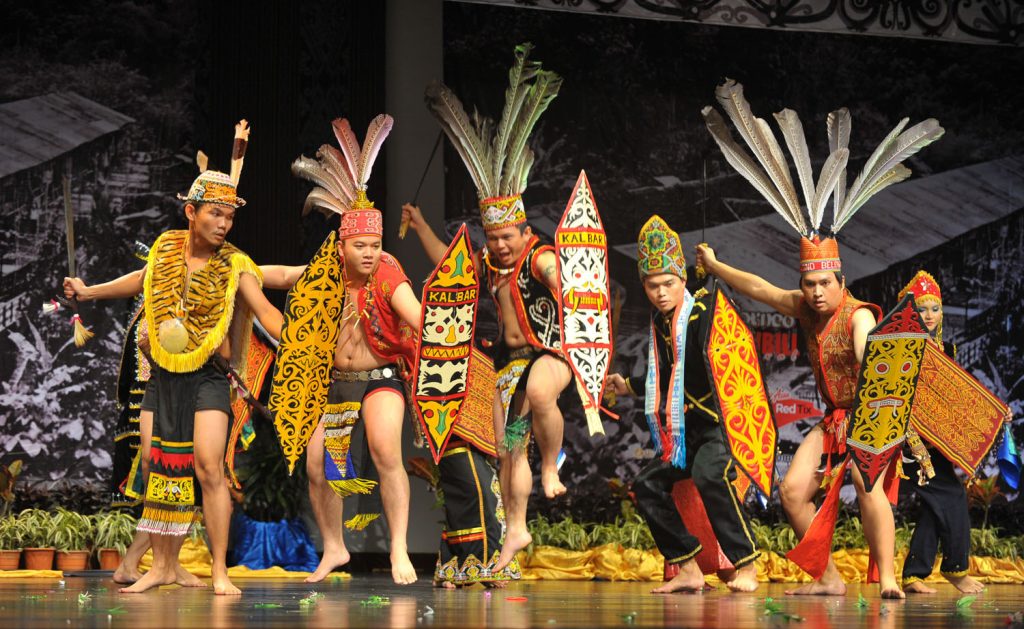
KUCHING: Despite the excitement of the Gawai Day celebration, the Dayak community in Sarawak is facing the challenge of defending their customs and heritage, especially in the face of modernisation. Former Sarawak Customs and Traditions Council Research Assistant Philip Igai said the Gawai Day celebration has changed a lot now compared to the 1960s to 1980s, which prioritized elements of rituals and traditional customs. He said that among the factors that led to traditional ritual practices no longer being carried out was the change in religious beliefs among the Dayak community, especially after many converted to Christianity. "In the past, there were more traditional elements such as Gawai Umai and Gawai Tuah which involved the elderly with various traditional ceremonies. "Elderly people at that time played a major role in managing ceremonies. Today, most traditional ceremonies are becoming rarer and are almost not carried out," he told Bernama. The 76-year-old former teacher said that to attract the interest and involvement of the younger generation, the Gawai celebration committee at the longhouse is now more inclined to plan activities suitable for the group in question. Among the main activities, he said, were sports competitions such as sepak takraw and futsal, and there were also karaoke activities which were also well received. "Despite that, efforts to preserve cultural heritage are still ongoing. In the Betong area, for example, there are certain clubs and associations that help the younger generation learn traditional cultural arts," he said. Philip said that although traditional elements are diminishing, the Gawai Day celebration, which is celebrated on June 1 and 2, still remains a symbol of the identity of the Dayak community, which consists of almost 30 ethnic groups in Sarawak. He said efforts to make the Gawai Dayak celebration a national celebration had long been discussed since the early 1960s by leaders such as Datuk Seri Tra Zehnder. "Before it was officially recognized, the Dayak community celebrated various Gawai festivals according to their respective communities as a sign of gratitude to God for the harvest, but the celebration dates differed according to the area and local customs. "After the formation of Malaysia in 1963, the first Chief Minister of Sarawak, Tan Sri Stephen Kalong Ningkan, agreed to have this festival gazetted and the first Gawai Day celebration was celebrated on June 1, 1965," he said. Philip said that although the actual Gawai Day celebration begins on June 1, preparations begin earlier through a special meeting to establish a celebration committee at the longhouse for the purpose of distributing tasks. "Usually on May 30, preparations begin with food preparation such as slaughtering chickens, cooking lemang and preparing various traditional dishes. "On the morning of May 31, longhouse residents began arranging mats in the ruai to mark the start of the real Gawai celebration. Some also took the opportunity to visit the graves of family members," he said. He said that on the night of May 31, longhouse residents will gather in the ruai for the Gawai celebration ceremony and at that time, special drums known as gendang rayah will be played. “There is also a 'berayah' event, where representatives from each room walk around the ruai while wearing traditional clothing and carrying a machete as a traditional symbol. "By midnight, the Gawai Chief will deliver a speech and at exactly 12 midnight (June 1), all the longhouse residents will drink 'air pengayu' as a symbol of the beginning of the Gawai new year and they will shake hands as a sign of forgiving mistakes," he said. -- BERNAMA

Gawai Day: Preserving heritage in the midst of modernization

KUCHING: Despite the excitement of the Gawai Day celebration, the Dayak community in Sarawak is facing the challenge of defending their customs and heritage, especially in the face of modernisation. .... read more
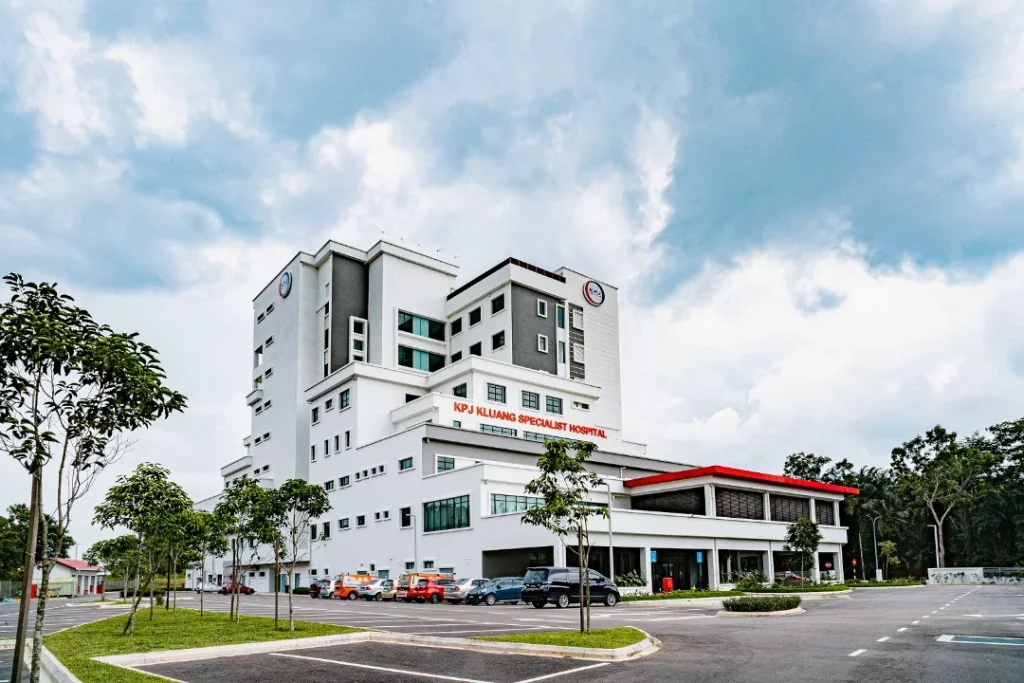
JOHOR BAHRU: KPJ Kluang Specialist Hospital (KPJ Kluang) has made history as the first hospital in the south of the country to successfully perform the FARAPULSE pulsed field ablation (PFA) procedure to treats heart rhythm disorders. KPJ Healthcare Berhad (KPJ Healthcare) in a statement on Tuesday announced that the procedure using FARAPULSE PFA technology was led by Consultant Cardiologist and Electrophysiologist Dr Ng Kim Fong together with the hospital's cardiac electrophysiology team. According to the statement, unlike conventional ablation methods that use thermal energy, the technology delivers controlled electrical pulses to target abnormal heart tissue more precisely while minimizing the impact on surrounding tissue. "As a minimally invasive approach, PFA has the potential to offer several clinical advantages to suitable patients, including less discomfort and surgical risk, as well as shorter procedure and recovery times," the statement said. The technology, implemented by a resident specialist, also reflects the continued advancement in the treatment of heart rhythm disorders and expands access to more advanced heart rhythm treatments under the KPJ Health System (KPJHS) network, especially for patients with complex cases. The hospital also achieved the feat of being the first private hospital in the region to perform procedures using the Subcutaneous Implantable Cardioverter Defibrillator (S-ICD) device, thus strengthening the specialized cardiac services offered. The S-ICD is a device used to monitor heart rhythm and offer therapy in the event of life-threatening arrhythmias. Unlike conventional systems, the device is implanted under the skin and does not have any electrodes placed in the heart or blood vessels. Meanwhile, KPJ Healthcare President and Managing Director Chin Keat Chyuan said the achievement reflected continued efforts in strengthening specialist cardiac services at the hospital, particularly in expanding access to advanced cardiac arrhythmia treatment in the southern region. He said the introduction of procedures such as FARAPULSE PFA showed that hospitals in the network were continuing to strengthen subspecialty capabilities and adopt newer treatment approaches, which supported more precise and less invasive care for patients. "Guided by the aspirations of Care for Life , we remain committed to ensuring that communities can access advanced specialist care closer to them, thus enhancing clinical excellence," he said. Dr Ng said PFA supports a more targeted approach to the treatment of heart rhythm disorders as the technology allows the procedure to be performed more precisely, while reducing the impact on the surrounding heart tissue. "As the field of cardiac electrophysiology advances, such approaches help expand treatment options and support safer and less invasive care for appropriate patients," he said. KPJ Kluang as the only private hospital in Kluang equipped with a Catheterization Laboratory has performed nearly 1,450 cardiac procedures, demonstrating its growing experience in cardiovascular interventions as well as its role in expanding access to specialized cardiac treatment in the region. This progress also supports efforts to reduce the need for patients to travel to major urban centers for advanced or follow-up cardiac treatment. -- BERNAMA

KPJ Kluang is the first hospital in the south of the country to carry out cardiac rhythm treatment procedures

JOHOR BAHRU: KPJ Kluang Specialist Hospital (KPJ Kluang) has made history as the first hospital in the south of the country to successfully perform the FARAPULSE pulsed field ablation (PFA) .... read more

Hari Raya Haji: A Celebration of Sacrifice, Gratitude and Togetherness in Malaysia

As Malaysians prepare to welcome Hari Raya Haji, also known as Aidiladha, the atmosphere across the country begins to change. Mosques become busier, families return to their hometowns, and communities .... read more

Pickleball is no longer just a niche sport played quietly in community halls. Across Malaysia, the game has exploded into one of the country’s fastest-growing lifestyle trends, attracting everyone from students and young professionals to retirees and celebrities. What was once considered a casual pastime has now evolved into a booming social and fitness movement. In cities like Kuala Lumpur, Penang, Johor Bahru, and Kota Kinabalu, pickleball courts are becoming increasingly common in residential areas, sports complexes, and even premium lifestyle clubs. The sport’s popularity has surged thanks to social media exposure, celebrity participation, and its reputation as a fun, beginner-friendly activity that combines fitness and social interaction. Unlike tennis or badminton, pickleball is easier to learn and less physically demanding for newcomers. Played on a smaller court with lightweight paddles and a perforated plastic ball, the sport allows players of all ages to enjoy competitive games without requiring advanced athletic ability. This accessibility is one of the key reasons why Malaysians have embraced it so quickly. For many young Malaysians, pickleball has become more than just a sport — it is now part of their lifestyle routine. Weekend matches, after-work games, and friendly tournaments are becoming popular social activities. Many players say the sport provides a healthier alternative to spending time at cafés or shopping malls, while still offering opportunities to socialise and build friendships. The trend has also gained momentum through TikTok and Instagram, where videos of pickleball matches regularly attract thousands of views. Influencers and content creators frequently post about their games, stylish sportswear, and newly discovered courts around the country. This online exposure has introduced the sport to a younger audience eager to try something new and trendy. Sports facility operators have quickly recognised the growing demand. Several badminton halls and futsal centres across Malaysia have started converting their spaces into pickleball courts to accommodate the increasing number of players. Some venues even offer beginner classes, equipment rentals, and social leagues designed specifically for first-time participants. Another factor driving the sport’s popularity is its affordability. Compared to golf or tennis, pickleball requires relatively low-cost equipment, making it accessible to a wider group of people. A basic paddle and ball set is affordable for most beginners, while court rental fees are generally lower than many other sports facilities. Health experts have also praised the sport for encouraging active lifestyles among Malaysians. Pickleball provides cardiovascular exercise, improves coordination, and promotes mental wellness through social engagement and stress relief. For office workers dealing with long hours and sedentary routines, the sport offers an enjoyable way to stay active without intense physical strain. Families are also embracing the trend. Because pickleball is suitable for various age groups, parents and children can play together, creating a family-friendly recreational activity that bridges generations. Community tournaments and local leagues are increasingly attracting participants from diverse backgrounds, strengthening neighbourhood engagement and promoting healthier lifestyles. As the sport continues to grow, some observers believe Malaysia could eventually become a regional hub for pickleball events and competitions. Interest from sponsors, sports brands, and event organisers is already increasing, with more tournaments expected to take place nationwide in the coming years. The rise of pickleball reflects a broader shift in Malaysian lifestyle culture — one that values wellness, social connection, and modern recreational experiences. Whether played casually among friends or competitively in organised tournaments, the sport has successfully captured the attention of Malaysians looking for fun, fitness, and community in a fast-paced urban world. -- MINUTESMY / SUGAN BALAN

Pickleball Lifestyle Trend Growing Rapidly Across Malaysia

Pickleball is no longer just a niche sport played quietly in community halls. Across Malaysia, the game has exploded into one of the country’s fastest-growing lifestyle trends, attracting everyone from .... read more
SINGAPORE, May 25, 2026 /PRNewswire/ -- As summer approaches, families planning vacations with toddlers and young children are on the lookout for accommodations that cater to their needs. Digital travel platform Agoda reveals the top five destinations in Asia where families can find hotels equipped with kids' clubs, ensuring a convenient and enjoyable stay. Leading the list is Phuket (Thailand), followed by Goa (India), Ho Chi Minh City (Vietnam), Bali (Indonesia), and Kuala Lumpur (Malaysia). Kids' clubs at hotels offer numerous benefits for families, providing a safe and engaging environment for children while parents enjoy some much-needed relaxation. Beach destinations like Phuket and Bali are particularly appealing, as they often feature additional amenities such as kiddy pools. Meanwhile, major capitals like Ho Chi Minh City and Kuala Lumpur also present excellent options, offering diverse attractions that cater to the whole family. Agoda reveals the top destinations with the most kids' club hotel facilities available for families traveling with toddlers this summer: 1.Phuket, Thailand: Known for its stunning beaches and family-friendly resorts, Phuket offers a plethora of activities for children. The island offers a large selection of hotels with kids' clubs that provide engaging programs, allowing parents to unwind while their little ones are entertained. With its sunny beaches and exciting water activities, Phuket is a top choice for families seeking both adventure and relaxation. 2.Goa, India: This coastal paradise in India is renowned for its laid-back atmosphere and welcoming hospitality. Families can enjoy the sun-kissed beaches while kids participate in fun activities at the hotel's kids' club. Goa's rich history and diverse cuisine add to its appeal, making it a delightful destination for families. 3.Ho Chi Minh City, Vietnam: As a bustling metropolis, Ho Chi Minh City offers modern attractions and cultural experiences alike. Families can explore the city's vibrant markets and historical sites, while kids enjoy the engaging programs at the hotel's kids' clubs. The city's warm climate and delicious local cuisine make it an inviting destination for families. 4.Bali (Indonesia): Known for its lush landscapes and serene beaches, Bali is a haven for families seeking a tropical escape. The island's resorts often feature kids' clubs with a variety of activities, ensuring children are entertained while parents relax. Bali's combination of cultural richness and natural beauty provides a captivating backdrop for family vacations. 5.Kuala Lumpur (Malaysia): Kuala Lumpur offers a wide range of attractions for families. From interactive museums to picturesque parks, there's something for everyone. Hotels with kids' clubs provide a safe and fun environment for children, allowing parents to explore the city's diverse offerings with peace of mind. Krishna Rathi, Associate Vice President at Agoda, shared, "Finding the right hotel can go a long way to help ensure the family vacation is stress-free from start to finish. Agoda's user-friendly filters make it a breeze for families to find accommodations that match their preferences. Whether it's a kids' club, a kiddy pool, or other family-friendly amenities, Agoda helps families create unforgettable vacations with ease." Travelers can use Agoda's family-friendly filters and search tools to browse over 6 million properties, more than 300,000 activities, and over 130,000 flight routes all bookable in a single place for a seamless connected trip. Discover the best deals on Agoda's mobile app or visit Agoda.com for more. Source: Agoda

Agoda Unveils Top Asian Destinations with Kids Club Facilities for Family-Friendly Summer Getaways

SINGAPORE, May 25, 2026 /PRNewswire/ — As summer approaches, families planning vacations with toddlers and young children are on the lookout for accommodations that cater to their needs. Digital travel .... read more
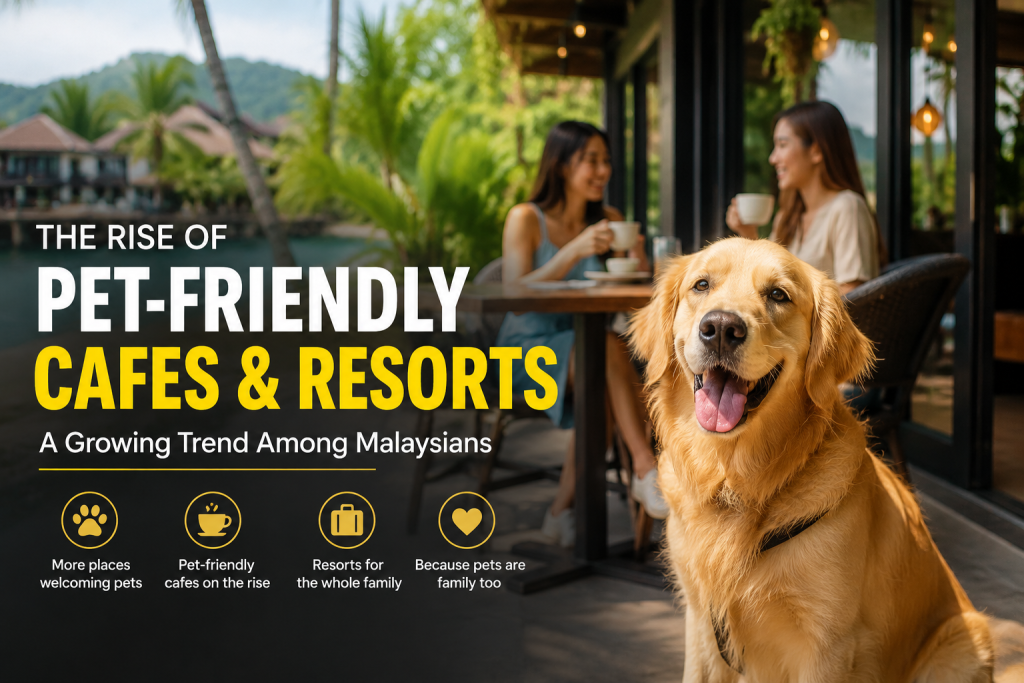
Malaysia’s lifestyle scene is evolving rapidly, and one of the biggest trends gaining momentum in recent years is the rise of pet-friendly cafes, restaurants, and resorts. From bustling cafes in Kuala Lumpur to peaceful nature retreats in Pahang, more businesses are welcoming pets as part of the family experience. Pet ownership in Malaysia has grown significantly, especially among millennials and Gen Z consumers who view pets not just as animals, but as companions and family members. As a result, the demand for places where owners can dine, relax, and travel together with their pets has increased dramatically. In Kuala Lumpur and Selangor, pet-friendly cafes are becoming part of urban lifestyle culture. Popular spots now offer outdoor seating, pet menus, water stations, and even pet playgrounds. Establishments such as Pawty Time Cafe, Cotta, W PLACE | Pet-Friendly Cafe, and After One KL have become popular weekend destinations for pet lovers seeking quality dining experiences with their furry companions. The trend is not limited to cafes alone. Specialty pet cafes are also attracting attention with unique concepts. Places like Huskiss and Furrito Haus Cafe & Pet Mart allow visitors to interact with dogs and exotic animals while enjoying meals and coffee. According to recent lifestyle reports, Malaysia’s pet cafe industry is diversifying beyond traditional cat and dog cafes into more interactive experiences featuring reptiles, alpacas, and farm animals. Meanwhile, Penang continues to emerge as one of Malaysia’s most active pet-friendly food destinations. Cafes such as Bark & Bean Pet Cafe have helped build a strong community among pet owners, combining cafe culture with grooming, wellness, and pet socialization. Reports indicate that local authorities in Penang have also begun discussing clearer policies for pet-friendly dining spaces as the sector continues to grow. The hospitality sector is also adapting to this growing lifestyle trend. Resorts and staycation destinations are increasingly offering pet-friendly accommodations for travelers unwilling to leave their pets behind. Nature-based retreats such as The Dusun, Gibbon Retreat Bentong, Beacon Resort, and LiLLA Summer Retreat @ Bentong, Pahang (Formerly Known as Karak Orchard Resort) are becoming attractive getaway options for families and pet owners looking for outdoor experiences. Beach resorts are also entering the trend. Destinations such as Ruby's Resort in Pahang and Bon Ton Resort in Langkawi are known among travelers for their relaxed atmosphere and pet-friendly environment. These resorts offer guests the opportunity to enjoy seaside vacations without separating from their pets, something increasingly valued by modern travelers. Industry observers believe this trend reflects larger lifestyle changes in Malaysia. Many urban consumers now prioritize experiences that integrate wellness, leisure, and companionship. Pet-friendly businesses are responding by creating more inclusive environments while maintaining hygiene and safety standards. However, the growth of pet-friendly spaces has also sparked discussions about regulations and public comfort. Authorities in Selangor and Penang have recently explored clearer guidelines regarding pets in malls and food establishments to balance hygiene, cultural sensitivities, and consumer demand. Despite these debates, the overall direction of the industry remains positive. Social media platforms such as TikTok and Instagram have accelerated the popularity of pet-friendly destinations, with cafes and resorts frequently going viral through user-generated content. Many businesses now see pet-friendly policies not only as a service enhancement but also as a powerful branding strategy that attracts younger consumers. As Malaysia’s lifestyle and tourism industries continue to evolve, pet-friendly cafes and resorts are expected to become even more common across major cities and tourist destinations. For pet owners, the trend represents more than convenience — it reflects a growing culture where pets are increasingly included in everyday social life, travel, and leisure experiences. -- MINUTESMY / SUGAN BALAN

The Rise of Pet-Friendly Cafes and Resorts in Malaysia

Malaysia’s lifestyle scene is evolving rapidly, and one of the biggest trends gaining momentum in recent years is the rise of pet-friendly cafes, restaurants, and resorts. From bustling cafes in .... read more
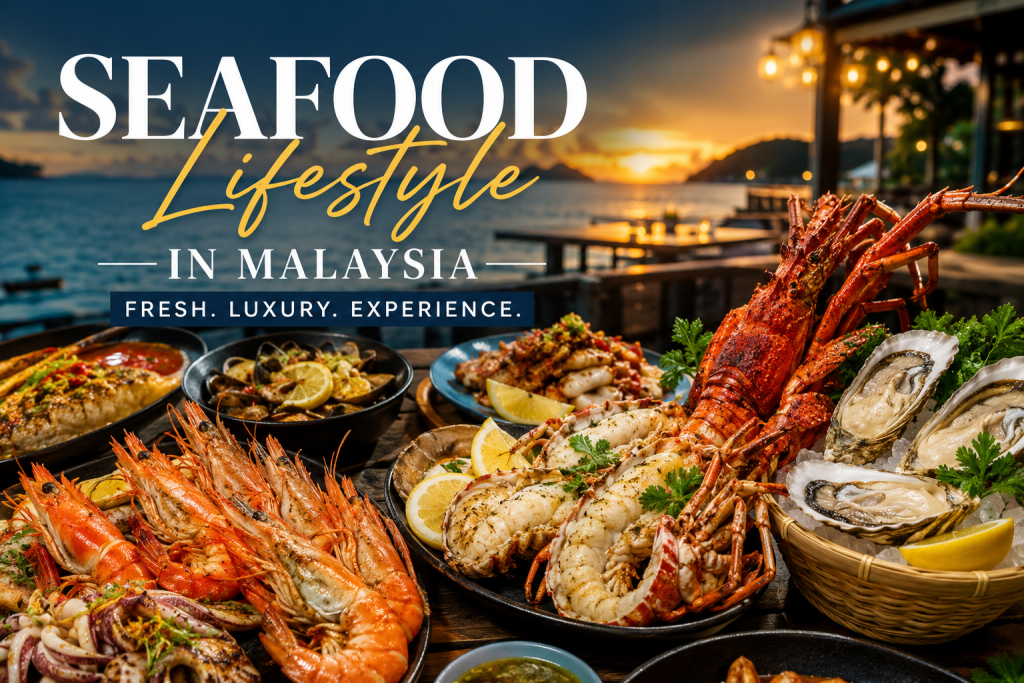
Malaysia has long been known for its rich culinary heritage, but in recent years, seafood dining has evolved beyond traditional family dinners into a growing luxury lifestyle experience. Across the country, seafood restaurants are redefining the dining scene with premium ingredients, stunning waterfront settings, and modern culinary presentations that attract both locals and international tourists. From beachfront restaurants in Langkawi to upscale seafood establishments in Kuala Lumpur and Johor Bahru, Malaysians are increasingly embracing seafood dining as part of a modern lifestyle culture. Fresh lobster, giant river prawns, oysters, Alaskan king crab, and premium fish selections are now commonly featured in trendy restaurants and social media feeds, turning seafood into one of Malaysia’s fastest-growing food trends. One of the biggest reasons behind the rise of luxury seafood dining is the demand for experiential dining. Today’s diners are not only searching for delicious meals but also memorable experiences. Restaurants are responding by creating elegant interiors, live seafood displays, private dining spaces, and scenic sea-view environments that elevate the overall dining atmosphere. In tourist destinations such as Langkawi, seafood restaurants overlooking the Andaman Sea have become highly sought-after destinations for travelers seeking sunset dining experiences. Fresh grilled seafood platters, butter prawns, chili crab, and premium shellfish are among the most popular menu choices for visitors enjoying luxury beachside dinners. Meanwhile, urban cities like Kuala Lumpur are witnessing a rapid growth in contemporary seafood restaurants that combine Asian flavors with modern fine dining concepts. Upscale seafood hotpot restaurants, oyster bars, and premium crab houses are becoming increasingly popular among young professionals and social diners looking for premium group dining experiences. Social media has also played a major role in accelerating the seafood lifestyle trend. Platforms like TikTok and Instagram have turned giant seafood platters, overflowing shellfish buckets, and visually stunning lobster dishes into viral content. Many restaurants now focus heavily on presentation, offering dramatic serving styles that encourage customers to share their dining experiences online. Seafood buffets inside luxury hotels are also gaining strong popularity among Malaysian food lovers. Hotels across Penang, Langkawi, and Kuala Lumpur continue to introduce premium seafood nights featuring unlimited oysters, sashimi, grilled prawns, mussels, and international seafood cuisines. These buffet experiences have become especially popular for celebrations, family gatherings, and weekend dining. In Johor Bahru, seafood culture is also thriving due to its close proximity to Singapore, attracting both local diners and international visitors searching for fresh seafood at competitive prices. Floating seafood restaurants, large Chinese-style seafood dinners, and modern seafood cafés continue to attract strong weekend crowds throughout the city. Traditional Malaysian seafood dishes remain deeply rooted in local food culture despite the rise of luxury dining concepts. Favorites such as butter prawns, sambal squid, steamed fish, salted egg crab, and chili crab continue to dominate Malaysian seafood menus. However, many chefs are now reinventing these classics with premium ingredients and modern plating techniques to cater to younger consumers seeking contemporary dining experiences. Chili Crab, Butter Prawns, and Sambal Squid remain among the country’s most loved seafood dishes, often appearing in both traditional restaurants and upscale dining establishments. Another growing trend within Malaysia’s seafood industry is sustainability and fresh sourcing. More restaurants are now emphasizing locally sourced seafood, sustainable fishing practices, and fresh daily catches to attract health-conscious and environmentally aware consumers. Diners are increasingly paying attention to seafood quality, freshness, and origin when choosing where to eat.      As Malaysia’s dining industry continues to evolve, seafood has become far more than just a meal. It now represents luxury, social lifestyle, travel experiences, and modern culinary culture. Whether enjoyed at a beachfront restaurant in Langkawi, a luxury hotel buffet in Kuala Lumpur, or a lively seafood street in Johor Bahru, seafood dining continues to shape Malaysia’s vibrant and evolving food lifestyle scene. -- MINUTESMY / SUGAN BALAN

Malaysia’s Seafood Dining Scene Is Becoming a Luxury Lifestyle Trend

Malaysia has long been known for its rich culinary heritage, but in recent years, seafood dining has evolved beyond traditional family dinners into a growing luxury lifestyle experience. Across the .... read more
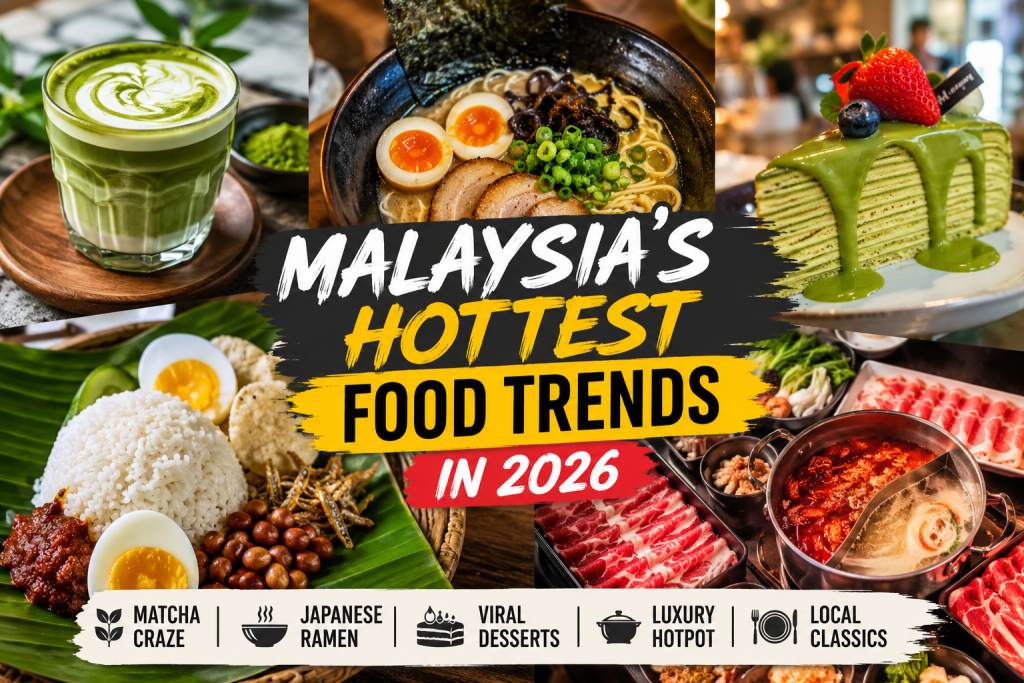
Malaysia’s food scene has never been more exciting. In 2026, the local culinary landscape is being shaped by social media trends, café culture, fusion flavors, and Gen Z dining habits. From viral matcha drinks and Japanese ramen culture to aesthetic desserts and premium hotpot experiences, Malaysians are no longer just eating for taste — they are dining for lifestyle, experience, and Instagram-worthy moments. Across cities like Kuala Lumpur and Johor Bahru, cafés and restaurants are rapidly adapting to evolving consumer preferences, especially among younger diners seeking unique flavors and visually appealing meals. Industry reports show that bold flavors, fusion menus, and comfort foodare dominating the food industry globally, with Malaysia becoming one of Southeast Asia’s strongest trend-driven markets. One of the biggest food trends currently dominating Malaysia is the explosive rise of matcha-based beverages and desserts. Matcha cafés are expanding nationwide, with drinks such as strawberry matcha latte, pistachio matcha, and matcha cloud foam becoming staples among urban café-goers. The popularity of matcha has surged due to its wellness appeal, vibrant aesthetic, and strong influence from TikTok and social media culture. For café lovers looking to explore Malaysia’s growing specialty coffee and matcha scene, places like VCR, LOKL Coffee Co, and Feeka Coffee Roasters have become popular lifestyle destinations known for their artisanal beverages, brunch culture, and aesthetic interiors. Another major trend sweeping through Malaysia is the growing obsession with Japanese ramen culture. Premium ramen restaurants are seeing long queues daily as Malaysians embrace authentic Japanese dining experiences featuring rich broths, handmade noodles, and premium ingredients. Social media exposure and rising travel influence have also accelerated demand for Japanese comfort food among younger Malaysians. Among the popular ramen spots gaining attention are Ippudo • Pavilion KL, Hokkaido Ramen Santouka @ Pavilion Kuala Lumpur, Towzen - Kuala Lumpur, and 豚麺処 官兵衛 KANBE RAMEN JB, each offering unique Japanese noodle experiences ranging from creamy tonkotsu broth to refined chicken-based ramen. Dessert culture is also evolving rapidly in Malaysia, with visually creative sweets becoming one of the country’s strongest food lifestyle movements. Consumers are increasingly drawn to molten chocolate desserts, soufflé pancakes, matcha pastries, and Japanese-inspired sweets that combine taste with social media appeal. Many cafés are designing desserts specifically to attract online engagement through TikTok and Instagram. Popular dessert destinations include Molten Chocolate Cafe (Lot 10), Fluffed Cafe, Nomi Dessert • Wisma Cosway, Nucre Patisseries, and Next Door Dessert, where diners can enjoy trendy cakes, pastries, and creative dessert presentations. At the same time, luxury hotpot dining has emerged as one of Malaysia’s fastest-growing social dining trends. Unlike traditional steamboat concepts, modern hotpot restaurants now emphasize premium meats, private dining experiences, dramatic interiors, and late-night social gatherings. Hotpot culture has become especially popular among young professionals and groups seeking interactive dining experiences. Restaurants such as FU Pot, Harbour Hotpot, 小龙坎老火锅 Xiao Long Kan Hot pot, Shu Daxia Hot Pot@Tun Razak 蜀大侠火锅, and Zhu Guang Yu Hotpot Pudu are among the trending destinations redefining communal dining experiences in Kuala Lumpur. Despite modern food trends dominating social media, Malaysians continue to embrace traditional local dishes such as Nasi Lemak, Roti Canai, and Laksa. Online discussions across Malaysian food communities show that these classic dishes remain deeply connected to national identity and everyday comfort food culture. Interestingly, modern cafés and restaurants are now reinventing these traditional flavors through fusion concepts such as nasi lemak burgers, gourmet sambal pasta, and elevated café-style Malaysian breakfasts. Brands and restaurants are increasingly modernizing heritage cuisine to attract younger consumers while maintaining nostalgic flavors. Ultimately, Malaysia’s 2026 food trends reflect more than just changing tastes. They represent a shift toward lifestyle-driven dining, where food is tied closely to identity, social media culture, wellness, and experiential dining. Whether it is sipping premium matcha, sharing luxury hotpot with friends, enjoying Japanese ramen, or rediscovering local classics, Malaysians are proving that food remains one of the country’s strongest cultural and lifestyle passions.

Malaysia’s Hottest Food Trends in 2026: From Matcha Craze to Luxury Hotpot Experiences

Malaysia’s food scene has never been more exciting. In 2026, the local culinary landscape is being shaped by social media trends, café culture, fusion flavors, and Gen Z dining habits. .... read more