Category :

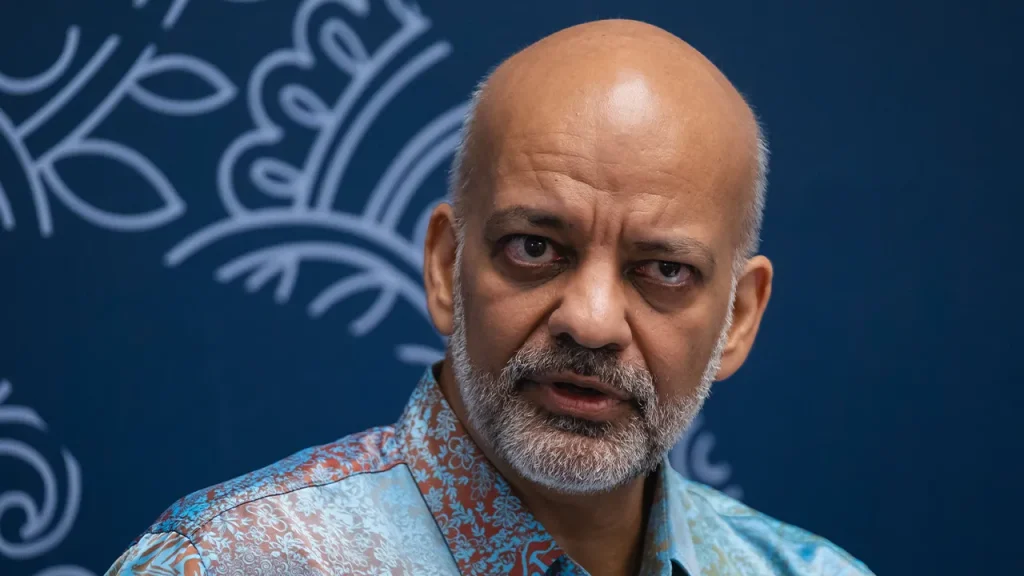
"So far, stimulus is not needed. Providing stimulus now will only add to the inflationary pressure." "Stimulus is only needed if inflation concerns grow to the point of affecting economic growth, as happened during the COVID-19 crisis," he said at a press conference today on Part 1 of the Malaysia Economic Monitoring Report (MEM) April 2026 titled 'Raising the Ceiling, Raising the Floor, Advancing Malaysia's Jobs and Productivity Agenda' . -- BERNAMA

Malaysia does not need stimulus, despite West Asia crisis – World Bank

KUALA LUMPUR: Malaysia does not need an economic stimulus despite facing the West Asian crisis, said the World Bank’s Chief Economist for Malaysia, Dr Apurva Sanghi. He said providing stimulus .... read more
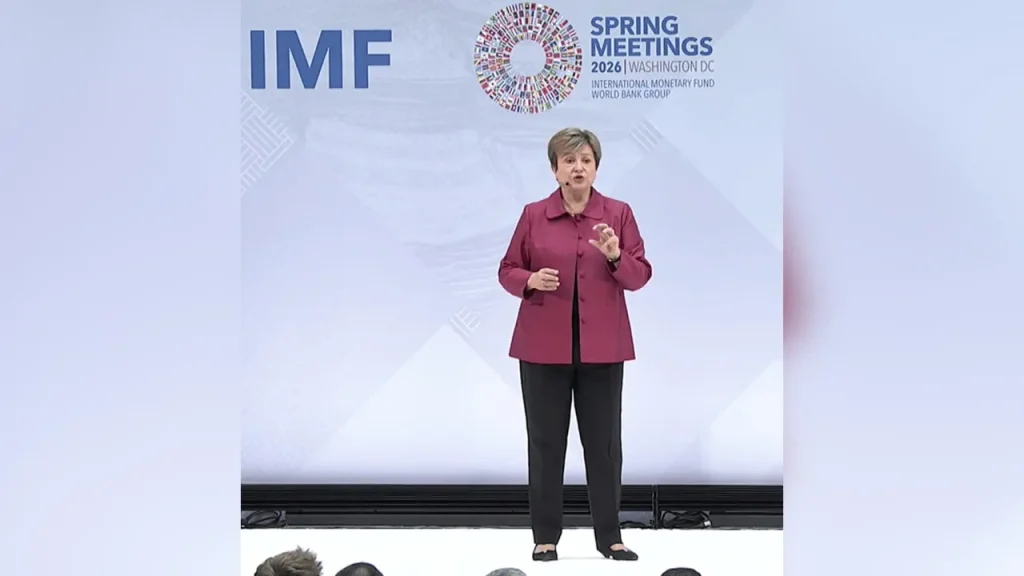
KUALA LUMPUR, 10 APRIL -- The global economy is currently under pressure from the ongoing West Asian crisis which could potentially require financial assistance of up to US$50 billion (US$1 = RM3.98) to help vulnerable countries cope with the shock, according to the International Monetary Fund (IMF). IMF Managing Director Kristalina Georgieva said the war had also triggered a significant, global and asymmetric supply shock, disrupting energy flows, price spikes and putting pressure on supply chains around the world. Oil and liquefied natural gas (LNG) supplies have proven to be widely affected, which has only contributed to increased inflation and economic uncertainty at the global level. He also referred to the Ras Laffan Complex in Qatar which was described as "very important evidence" in terms of the effectiveness and accuracy of strategic investments, capable of producing 93 percent of the Gulf region's LNG, with approximately 80 percent of it destined for Asia Pacific destinations - a region that is currently experiencing a serious fuel shortage. "The Laffan race has been essentially closed since March 2 with immediate effect on March 19 and will likely take three to five years to fully recover," he said in Washington on Thursday (local time). Georgieva said the impact was also felt most severely by oil-importing countries and those with fiscal capacity constraints, while energy-exporting countries were also no exception in terms of cost spikes and wider economic disruption. The IMF also expects global growth to slow down in all scenarios, even if the situation changes for the better, as infrastructure damage, supply disruptions and declining confidence are the main factors hampering the outlook. To address the crisis, the IMF projects that demand for balance of payments support could potentially increase by US$20 billion to US$50 billion in the near future, with the lower estimate depending on how well the ceasefire holds. "Two things need to be emphasized: (first) the range figure could have been much higher if most emerging economies had not implemented good policies, including some of the large ones, over the past few decades." "Secondly, we all have sufficient resources to deal with this shock," he said. Georgieva also advised policymakers to respond more cautiously, avoiding steps or approaches that could worsen the global situation while focusing on vulnerable populations and maintaining price stability. The IMF also stressed the importance of strong economic fundamentals and policy discipline, and that countries with greater fiscal space and significant resilience are better positioned to manage the shock. "Policymakers can help in many ways and of course, they also need to be careful not to make the situation worse." "In this regard, I urge all countries to reject any unilateral action -- export controls, price controls and so on that could further affect the global situation," he said. Despite the crisis, Georgieva said, there are still better prospects when some countries act to reexamine relations and see more new opportunities. "For example, ASEAN. Trade within ASEAN is about 20 percent. In comparison, trade within the European Union is 60 percent. So why don't these countries increase trade with each other?" "These are aspects that need to be examined and the IMF wants to help them not only create more encouraging trade relations, but also examine collective strengths that can be leveraged." "The same thing also involves the Gulf countries, which were actually actively coordinating reform efforts, increasing connectivity until this war affected them. I am sure this situation will be a longer trend in the Gulf region." “For me, just like you, we may need to create a group of ‘optimists.’ We need to realize that this changing world is a world where opportunities that were previously unimaginable are now becoming more prominent and not just challenges. Yes, we need to focus on the challenges, but at the same time not miss the opportunities that are there,” he said. Meanwhile, he said the upcoming IMF Spring Meeting will focus on coordinating responses or actions to reduce the economic impact and support recovery efforts in the current uncertain reality.

US$50 billion in financial assistance needed as West Asian conflicts weigh on global economy – IMF

KUALA LUMPUR, 10 APRIL — The global economy is currently under pressure from the ongoing West Asian crisis which could potentially require financial assistance of up to US$50 billion (US$1 .... read more
The study captured the attitudes and behaviours of over 5,000 finance professionals and crypto investors across Australia, Brazil, India, Singapore, South Korea, UAE, UK and the US. Conducted in partnership with the global consumer audience insights platform GWI, the report fills a significant gap in existing market research by focusing specifically on the financially literate crypto investors: those working within and alongside the financial industry. "Most crypto research focuses on retail sentiment. We wanted to understand how finance professionals – people who work with risk and capital every day – actually perceive and engage with crypto. What we found challenges a number of assumptions," said Michelle Fotopoulou, Chief Marketing Officer at Sandmark. Experience contextualizes risk Just one in ten finance professionals who own crypto perceive it as high risk, compared to 25% of the wider professional finance community. Optimism and confidence rise in line with active participation, peaking among institutional investors and long-term holders. Beginners remain the least certain. The data consistently shows that hands-on experience, supported by reliable market intelligence, is what builds genuine conviction. Regulation is recruitment Regulatory uncertainty remains the primary barrier to broader institutional participation, alongside volatility and governance concerns. Yet across all respondent groups, crypto is viewed as a long-term strategic asset with strong upside potential, rather than a short-term trade. As regulatory clarity improves, the market's next growth phase is widely expected to be led by institutions. Michelle said: "Strong regulation acts as a catalyst for engagement. As jurisdictions put protections in place, activity accelerates, with greater confidence unlocking broader adoption." Public figures: formative but divisive High-profile individuals continue to play an outsized role in shaping sentiment, often in conflicting ways. Among a pre-defined shortlist of public figures, Elon Musk drives the strongest positive sentiment (51%), while Donald Trump generates the most negative (38%), despite also ranking as the second most cited positive influence (17%). Among crypto holders who identify Musk as their strongest positive influence, 77% report high optimism toward crypto's future as an asset. The study reflects how public figures are capable of simultaneously amplifying enthusiasm and undermining trust. An evolving but maturing market Michelle concluded, "It's fascinating to see the evolution of sentiment in the crypto market, particularly in the case of institutions and finance professionals. While social media drives discovery, real market data is in higher demand. Investors need consistent, actionable market intelligence to understand the evolving crypto ecosystem."

Sandmark Crypto Intelligence Report Shows Credible Insight Drives Investment Confidence

GENEVA, April 10, 2026 /PRNewswire/ — Sandmark has today published the first edition of its Crypto Intelligence Report, uncovering how credible and reliable intelligence are building real conviction among finance .... read more

Ringgit holds firm at 3.97 amid improving market sentiment

KUALA LUMPUR — The ringgit remained firmer at the 3.97 level against the US dollar and other major currencies at Thursday’s opening, supported by improved market optimism following the .... read more

Global Sourcing Fair Vietnam 2026 Opens this April

HO CHI MINH CITY, Vietnam, /PRNewswire/ — As global supply chains continue to evolve, international buyers are increasingly seeking sourcing destinations that deliver reliability, flexibility, and efficiency. In response to .... read more
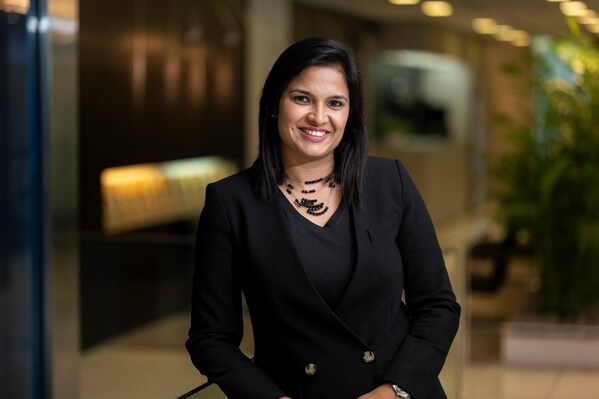
Synpulse Strengthens APAC Leadership with Appointment of Neena Antal as Singapore Partner

SINGAPORE, /PRNewswire/ — Synpulse, a leading consultancy for the financial industry, today announces the appointment of Neena Antal as Partner, a pivotal step that strengthens the firm’s ambition to shape .... read more
SINGAPORE, April 8, 2026 -- Kamet Capital, a Singapore-based multi-single-family office, hosted its 2026 Market Outlook Luncheon on February 22, bringing together ultra-high-net-worth families, fund investors and portfolio company founders for discussions on the 2026 market environment, asset allocation opportunities and key sector trends such as AI and healthcare. As Kamet's first large-scale in-person gathering in nine years, the luncheon reflected the firm's expanding client base, growing presence as one of the region's leading family offices and evolving capability to meet clients' demands for high-quality insights, meaningful dialogue and network access. "Kamet was established in 2017. We stayed low-key for years and usually engaged with families in a more private setting," said Kerry Goh, founder, CEO and CIO of Kamet Capital. "This year, in response to interest from many new clients, we organized our first large-scale in-person gathering, reflecting our willingness to engage more openly with a broader group of investors. But we will keep our original principles to build long-term trust." A Framework-Driven Outlook for 2026 At the event, Kamet shared that its outlook is based on a systematic assessment of macro conditions, policy factors and valuations, rather than short-term market fluctuations. Many of the most important data points only become clear in early February. That is why it typically publishes the assessment by then. This year's theme centered on how investors can make decisions that remain resilient amid heightened volatility and increasing market divergence. Kamet specifically highlighted its high-conviction (and non-consensus) views that precious metals had topped out in early February with high odds of a considerable pullback in the short term. It also shared the long-term de-dollarization theme but found the recent USD weakness appeared overdone. In March, these views had largely played out, with gold prices correcting and USD strength reasserting itself. On equities, while Kamet remained constructive on both U.S. and Hong Kong SAR markets, heightened geopolitical tensions had led to increased volatility in the near term. "In today's complicated market environment, our investment decisions adopt a disciplined, framework-driven approach designed to filter out short-term market noise," said Chong Sze King, Head of Portfolio Management of Kamet. "Our framework focuses on key drivers and, more importantly, on the specific conditions within these drivers. As long as these underlying conditions remain intact, we do not allow market fluctuations or headline-driven sentiment to dictate portfolio positioning. This approach enables us to remain aligned with our core investment principles while identifying selective opportunities across major markets and helping clients navigate uncertainty with a long-term, resilient portfolio strategy." Growth in 2025 and Looking Ahead The event also highlighted Kamet's progress in 2025, with a growing number of ultra-high-net-worth families and fund investors, expanded office space, and the continued development of differentiated investment solutions. Kamet received positive client feedback on its Income-Optimizer Portfolio strategy launched last year, reflecting continued interest in resilient solutions. This year, Kamet will launch its put-write strategy through the Kamet Put Option Premium Fund, expanding its investment offerings in response to demand for strategies designed for a more volatile market environment. Featured speakers from Kamet's investee companies, Jensen Wu, founder and CEO of Topview, and Wai Mun Lim, founder and CEO of Doctor Anywhere, also shared sector insights on AI and healthcare, adding broader industry perspectives to the day's discussions. Kamet noted that AI remains a key area of interest for investors, but access to high-quality opportunities depends on trusted networks, strong sector understanding and close collaboration with founders and partners. Through Kamet's Founders Network, it aims to help clients gain earlier visibility into emerging themes and selective opportunities in sectors with limited access. Kamet also continues to support innovation through its broader role as a long-term strategic partner to emerging companies and founders. /PRNewswire/

Kamet Capital Hosts 2026 Market Outlook Luncheon, Marking First Large-Scale In-Person Gathering in Nine Years

SINGAPORE, April 8, 2026 — Kamet Capital, a Singapore-based multi-single-family office, hosted its 2026 Market Outlook Luncheon on February 22, bringing together ultra-high-net-worth families, fund investors and portfolio company founders .... read more
YY Group (NASDAQ: YYGH) Secures Extendable High-Level Cleaning Contract with Singapore Transportation Authority

YY Group (NASDAQ: YYGH) Secures Extendable High-Level Cleaning Contract with Singapore Transportation Authority

SINGAPORE — YY Group Holding Limited (NASDAQ: YYGH) (“YY Group” or the “Company”), a global leader in on-demand workforce solutions and integrated facilities management (IFM), today announced that its IFM .... read more

KUALA LUMPUR, April 8 — B100, a 100 per cent palm oil-based biodiesel, has the potential to emerge as a more competitive and sustainable alternative energy source amid uncertainties arising from the West Asia crisis, said Federal Land Development Authority (Felda) chairman Datuk Seri Ahmad Shabery Cheek. He said the B100 implementation, which is still at the policy stage, will kick off within the Felda ecosystem first. Ahmad Shabery said he has brought up the matter with Prime Minister Datuk Seri Anwar Ibrahim and Deputy Prime Minister Datuk Seri Fadillah Yusof. “At this stage, a government policy needs to be in place, as we may not have sufficient crude palm oil (CPO) supply to roll out B100 immediately,” he told a press conference here today. B100’s factory price is estimated at about RM4.50 per litre, depending on CPO prices, Ahmad Shabery said. At an estimated price below RM5.00 per litre, B100 could not only reduce the reliance on diesel, but also support domestic fuel price stabilisation and strengthen national energy security, he said. Meanwhile, Ahmad Shabery said Felda and FGV Holdings Bhd need to expand the B100 biodiesel processing plant development in order to increase production capacity. “We are having discussions to determine the form of partnership, whether to involve full private sector participation, government support or other parties, to meet the requirement of raising B100 capacity,” he said. Since 2025, the B100 biodiesel usage pilot project has been implemented using passenger vehicles for 15 months involving a distance of more than 50,000 kilometres. Ahmad Shabery said a four-month trial test using tanker trucks had also been done earlier in 2024.

B100 pilot shows promise at RM4.50 per litre, Felda plans wider rollout to boost energy security

KUALA LUMPUR, April 8 — B100, a 100 per cent palm oil-based biodiesel, has the potential to emerge as a more competitive and sustainable alternative energy source amid uncertainties arising .... read more
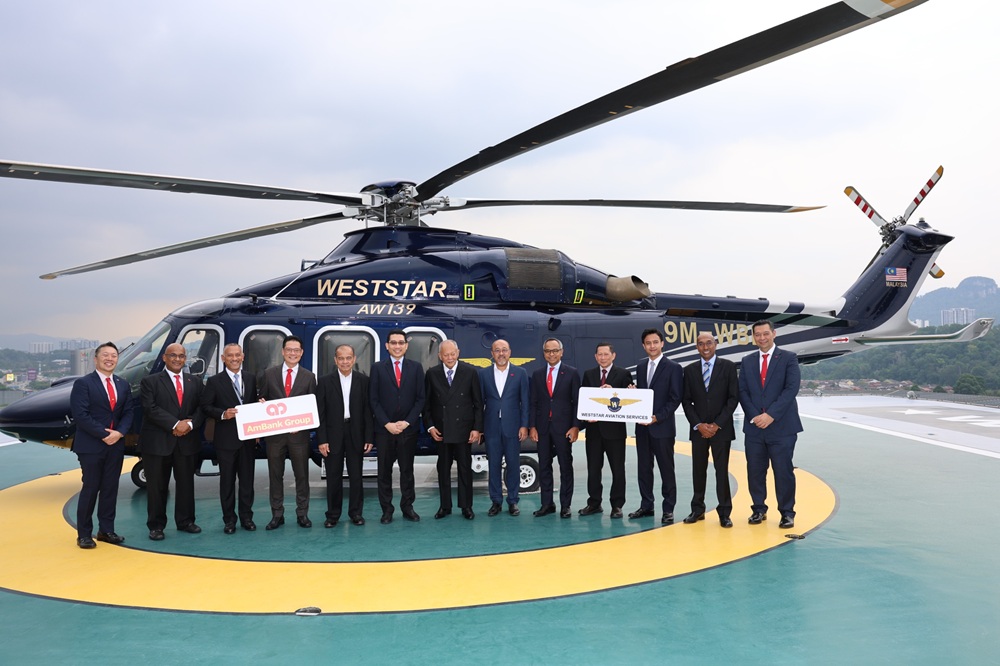
AmBank Group backs Weststar Aviation Services with RM2 billion financing to accelerate expansion

KUALA LUMPUR — AmBank Group, through AmBank Islamic Berhad, has granted RM2 billion financing to Weststar Aviation Services Sdn Bhd. This marks a significant step in strengthening Malaysia’s aviation transportation .... read more